

























































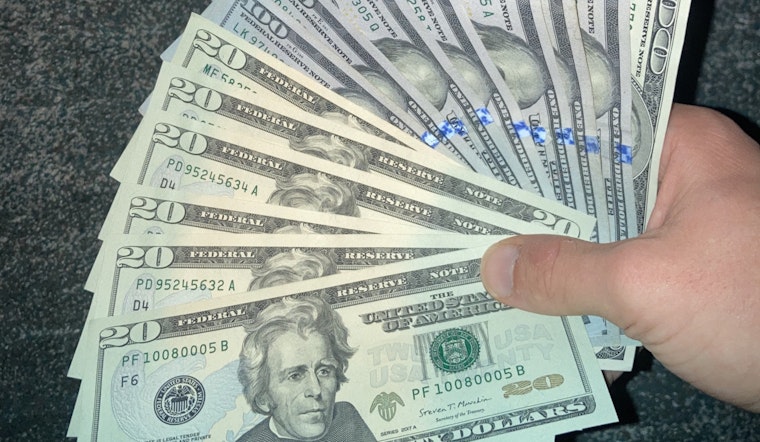
Oklahoma’s next big political brawl will not be in November. Voters are set to weigh in on State Question 832 on June 16, 2026, a citizen-led proposal that would raise the statewide minimum wage to $15 an hour by 2029. The measure would roll out wage hikes over several years and pull in workers who are currently exempt under state law. With the vote tucked into the mid-June primary, business groups and worker advocates are already gearing up for a long, noisy fight.
What the measure would do
The proposal lays out a step-by-step climb in the minimum wage: $9.00 an hour starting Jan. 1, 2025, then $10.50 on Jan. 1, 2026, $12.00 on Jan. 1, 2027, $13.50 on Jan. 1, 2028, and finally $15.00 on Jan. 1, 2029. After that, the rate would be adjusted each year using the CPI-W, a federal cost-of-living index. The petition language spells out how those cost-of-living bumps would be calculated and applied. As detailed in Ballotpedia, these changes would be written directly into state law if voters sign off in 2026.
Who it would cover
State Question 832 would wipe out several carveouts in the Oklahoma Minimum Wage Act that leave big chunks of the workforce outside the current protections. Part-time employees, some students and minors, farm and agricultural workers, domestic workers, newspaper vendors and feed-store employees are among those who could be brought under the wage floor if the measure passes. Some groups would still be exempt, including federal and state employees, volunteers and very small employers that fall under the petition’s thresholds for gross receipts and number of workers.
That would amount to a significant expansion in a state that still sits at the federal minimum of $7.25 per hour. Policy analysts have been mapping out who would be pulled in and what it might mean for low-wage households and local businesses, with explainers from the Oklahoma Policy Institute and the U.S. Department of Labor.
Early reactions
Supporters argue that the phased-in raise is about keeping up with the grocery bill, not striking it rich. "It'll help a lot of people out. Especially, with buying groceries, and food, and kind of getting the necessities for life and daily living," Hunter Evans, a manager at Ace Hardware, told KTUL.
Opponents counter that the law of unintended consequences is alive and well. Business and agricultural groups warn that a higher wage floor could ripple through prices for everything from hardware to hay. "It's kinda basic economics. When wages go up, so does everything else," Kinsey Westwood of the Oklahoma Farm Bureau told KTUL.
Legal and political background
The road to the ballot was not automatic. The Oklahoma Supreme Court allowed Initiative Petition 446, which became State Question 832, to move forward in early 2024, clearing a key legal obstacle. Backers then turned in enough signatures to qualify the measure for a statewide vote.
Governor Kevin Stitt then used an executive order to slot the question onto the June 16, 2026 primary ballot instead of a fall election. Between the court’s decision and the governor’s proclamation, the calendar is now locked in, and both campaigns know exactly how long they have to make their pitch to voters.
What voters should know
Every registered Oklahoma voter will be able to weigh in on State Question 832 on June 16, 2026, regardless of party. In the runup to the election, local officials and the Secretary of State are expected to release the official ballot wording and detailed voting instructions.
Anyone who wants to see the full petition text, legal notices or background on state questions can look to resources from the Oklahoma State Election Board. As the primary draws closer, expect to see more ads, mailers and door-knocking from both sides, each claiming that their vision of the minimum wage is what is best for Oklahoma’s economic future.





