

























































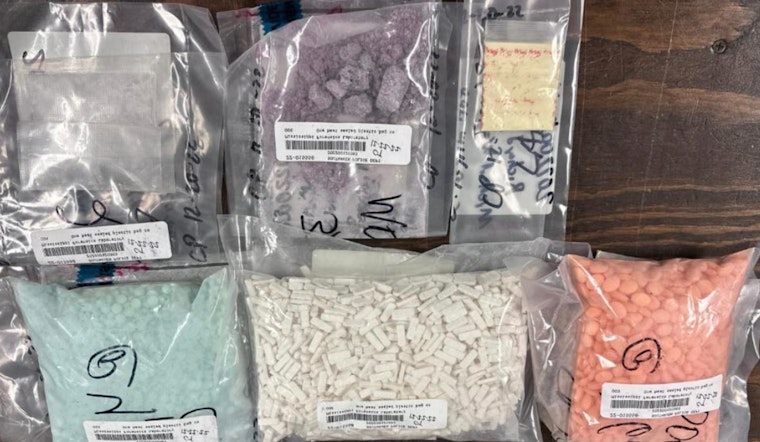
Two alleged dealers are now convicted felons in what DeSoto County prosecutors say is the largest fentanyl trafficking case in Southaven history, after officers seized what authorities estimate to be nearly 4,500 potentially lethal doses of counterfeit pills.
On Monday, Richard Vaught and Michael Walker admitted in court that they trafficked thousands of fentanyl tablets pressed to look like oxycodone. Prosecutors said the pills were recovered in 2022 at a Southaven hotel during an undercover operation, a setup that made the fake supply especially risky for users who thought they were taking a familiar prescription drug.
Vaught did not leave the courtroom a free man. He was sentenced to 15 years in prison, followed by 10 years of post-release supervision. Walker also entered a guilty plea, but his punishment will be decided at a later hearing. Prosecutors framed the twin pleas as the culmination of a lengthy probe into what they say was a major local pipeline for counterfeit opioids.
District Attorney Matthew Barton told Action News 5 that Walker and Vaught admitted to trafficking nearly 4,500 potentially lethal dosage units, all pressed to resemble oxycodone tablets. Vaught received 15 years behind bars plus 10 years of supervision, while Walker will return to court for sentencing. “This case represents one of the largest single seizures of fentanyl pills to date,” Barton said, crediting Southaven police for the undercover work that pushed the case over the finish line.
Why Two Milligrams Is a Big Deal
The Drug Enforcement Administration warns that about two milligrams of fentanyl can be deadly for many people, a tiny dose that helps explain why thousands of counterfeit pills amount to a serious public health threat, according to the DEA. With that level of potency, one fake pill can be enough to kill someone who does not have an opioid tolerance.
Prosecutors leaned on the DEA standard when they talked publicly about the seizure, using the two milligram benchmark to underline just how much damage a single batch of pressed pills could have caused if it had hit the street.
Inside the 2022 Hotel Sting
Local officials say the case started with an undercover operation in 2022 that targeted suspected trafficking inside a Southaven hotel. From there, detectives methodically built the file, collecting evidence that tied the pills to distribution activity linked to Vaught and Walker.
The investigation required coordination between Southaven police and the district attorney’s office, with officers and prosecutors using the accumulated evidence to secure guilty pleas instead of rolling the dice on a long trial. Authorities say the case is a clear look at how forged prescription-style pills can quietly move through hotel corridors and into neighborhood circulation.
What Happens Next
Walker’s fate will be decided at a future sentencing hearing, where a judge will weigh his role in the trafficking operation. Prosecutors said their office is not done, and that they will keep pursuing anyone tied to significant fentanyl trafficking that puts residents at risk.
Local officials also stressed that law enforcement is only one piece of the strategy. They pointed to a two-part approach that includes criminal charges for suppliers, along with public health efforts like naloxone distribution and community education aimed at preventing overdoses.
Neighbors and community organizations have welcomed the high-profile arrests and guilty pleas, but they are also calling for sustained investment in prevention and treatment, not just prosecutions.
The convictions close out one major Southaven investigation, yet prosecutors and health officials alike say the larger battle against counterfeit fentanyl is still very much underway. For DeSoto County, this case is a blunt reminder that a small amount of a synthetic opioid, pressed into a familiar-looking pill, can carry an outsized capacity for harm once it crosses the line into local supply.




