

























































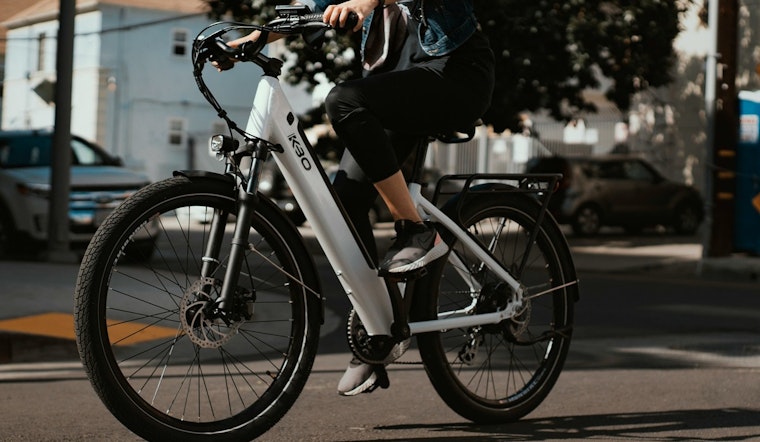
Fast e-bikes and souped-up scooters just hit a speed bump in Springfield. The Illinois Senate has unanimously signed off on a bill to rein in higher-powered micromobility devices, sending the measure to the Illinois House and putting Chicago-area riders on notice. The proposal would create statewide age limits, cap top speeds on streets and paths, and require car-style paperwork for the quickest machines. Backers say it is a long-overdue fix for a confusing mix of local rules and a spike in serious injuries tied to powerful electric rides.
Senators approved the bill 54-0 on April 15 in Springfield, with State Sen. Ram Villivalam carrying the legislation, according to the Chicago Tribune. Villivalam told colleagues the point is to swap out a patchwork of local ordinances for clear statewide standards that everyone can actually follow. The lopsided vote shows lawmakers are largely on the same page about tightening the rules.
Secretary of State Alexi Giannoulias, who has been pushing the plan, rolled out a "Ride Safe, Ride Smart, Ride Ready" campaign and warned that "micromobility technology is advancing faster than our rules," in a release from the Illinois Secretary of State's office. His office pointed to a sharp rise in e-bike injuries in recent years and framed the effort as a mix of new regulations, driver-education updates and public outreach. Officials say the goal is to give police, courts and communities one consistent playbook.
What the bill would do
Under the proposal, riders on e-bikes and "e-motos" capable of more than 28 miles per hour would need a driver's license, a certificate of title, registration and liability insurance, according to the Daily Herald. The bill sets a minimum age of 16 for high-speed micromobility devices and would bar those machines from exceeding 28 mph on streets, sidewalks and bike paths. Fifteen-year-olds could still ride lower-speed Class 1 and 2 e-bikes. Supporters say building a single statewide floor would clear up confusion that has dogged riders and law enforcement under differing local ordinances.
Legal implications
The draft legislation pulls higher-powered devices into the Illinois Vehicle Code and, in many ways, treats fast micromobility machines like motorcycles when it comes to equipment and operating rules, according to the text posted on LegiScan. The language spells out lighting and equipment requirements, limits on where certain devices may be used and matching changes to liability rules and local-ordinance statutes. Legal observers say the structure should make enforcement more straightforward, though it could also mean new costs for owners and businesses if registration and insurance become standard for higher-speed rides.
Local reaction and next steps
Cycling advocates, transportation planners and municipal officials have been pressing for a statewide framework to avoid overlapping or contradictory local rules. Groups such as Ride Illinois have called for clear lines between traditional low-speed e-bikes and more powerful "e-motos." The Secretary of State's office says it plans to roll out public-education materials and update driver-education curricula to match the new legal standards. Next up is the Illinois House, where supporters expect committee hearings and potential tweaks before a final vote.
If the House signs off and Gov. J.B. Pritzker approves the measure, supporters say the new rules would take effect on Jan. 1, 2027, under the current bill language, according to the Daily Herald. Riders, retailers and local governments are being urged to keep an eye on the House calendar over the coming weeks for committee action and updated guidance from the Secretary of State. For now, state leaders say the mission is straightforward: put a consistent set of safety rules in place as personal electric devices keep getting faster and more common.





