

























































Illinois lawmakers are again pushing to let residents choose "natural organic reduction" — better known as human composting — as an official alternative to burial or cremation. A House committee advanced Rep. Mary Beth Canty's proposal in late March, and she is now drafting a major amendment aimed at tightening rules and liability. Backers pitch the practice as a greener, often cheaper choice that could spare families the cost of shipping remains to states where it is already legal, while opponents warn it raises hard questions about dignity and safety. The fight has shifted from big-picture arguments to fine print that will determine whether the option actually lands in Illinois funeral homes.
What's in the bill
House Bill 5425, the Natural Organic Reduction Regulation Act, cleared the House Energy and Environment Committee as legislators rushed to move hundreds of measures before a late March deadline, according to the Daily Herald. Canty told the paper she plans to hold the bill on the floor and return with a "substantive amendment" to tackle regulation and liability concerns, saying her goal is to "give the people of Illinois the freedom to have the burial they choose."
What the bill would require
The proposal creates a licensing and oversight system for "disposition authorities," a category that would let cemeteries, crematories and funeral establishments run natural organic reduction facilities. It requires training, recordkeeping and safety protocols, and it lays out detailed operating standards, including temperature controls and contaminant testing, according to the Illinois General Assembly. The bill limits liability for disposition authorities except in cases of gross negligence and requires receipts and tracking when reduced remains are released, along with timelines for families to claim the soil so it does not sit abandoned.
How the process works
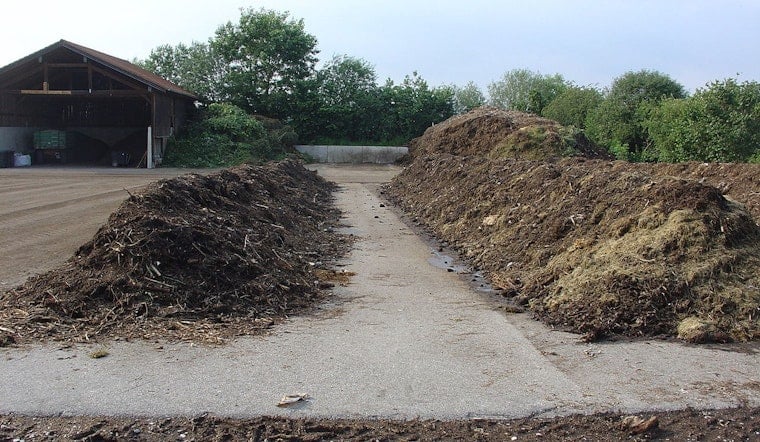
In natural organic reduction, the body is placed inside a specially designed vessel and surrounded with plant materials such as wood chips and alfalfa. Controlled aeration and warmth accelerate decomposition until microbes turn the remains into soil. Companies like Recompose describe optional "laying-in" ceremonies where family and friends can gather before the vessel is sealed. The process typically takes about 30 to 45 days and produces roughly a cubic yard of soil. Non-organic items are removed, and the resulting soil is tested before it is returned to loved ones or used in conservation projects.
Cost and local availability
Some providers are already marketing services in Illinois. Earth Funeral announced in February that it is offering soil-transformation arrangements and can handle transport and end-to-end care for families. As Axios reported, full packages that include ceremony and services tend to land around $5,000, which is in the same ballpark as a cremation with a service.
Opposition and concerns
Industry representatives and some legislators told the committee they worry the practice could undercut long-standing ideas of dignity for the dead and create real-world headaches. David Goebel of the Illinois Cemetery & Funeral Home Association argued the process "lacks the dignity traditionally afforded to the dead" and pointed to potential backlogs, transport complications and what to do with the large volume of soil, according to the Daily Herald. Those objections persuaded some lawmakers to move the bill forward only after Canty committed to returning with an amendment that closes perceived regulatory gaps.
Legal and regulatory questions
How lawmakers write the details could decide whether the idea works outside of a hearing room. The bill sets technical standards and grants enforcement powers, but critics question whether agencies will really have the staff, funding or tools to monitor new facilities. The Illinois Catholic Conference has argued in testimony and written materials that the practice "treats a human person as vegetable trimmings" and has flagged worries about consent when it comes to indigent remains, as well as whether modest licensing fees are enough to protect public health, according to the Illinois Catholic Conference. Those issues, along with the bill's limitation of liability and the nuts and bolts of tracking and storing reduced remains, are among the points Canty says she wants to address in her amendment, according to legislative materials and the conference's fact sheet.
What's next
With committee approval in hand, the measure still needs a full House vote, sign-off from the Senate and the governor's signature before it would become law. Canty told Axios that "what happens to our bodies after death is one of the most personal decisions imaginable" and said she hopes her amendment will calm policy and safety fears. If lawmakers are satisfied and the bill survives the usual Springfield gauntlet, supporters say Illinois would join a growing list of states that already allow natural organic reduction.





