

























































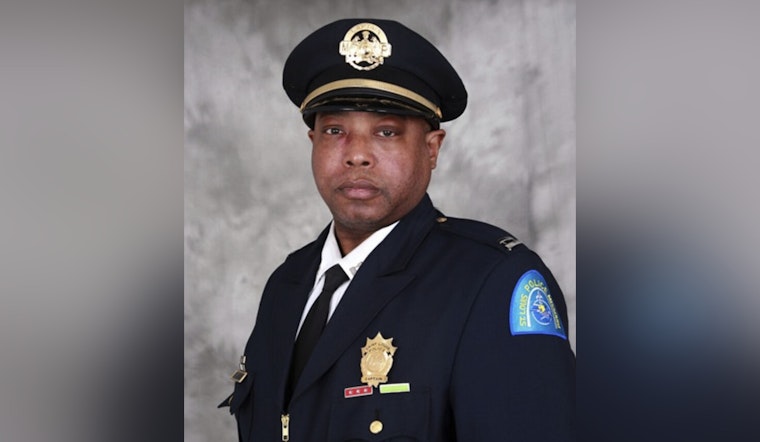
Nearly a year after a tornado tore through parts of St. Louis, Captain William Brown, a 30-year veteran of the St. Louis Metropolitan Police Department, died while working recovery shifts, and his family still has no official closure. The department has not designated his death as a line-of-duty fatality, a decision that would trigger key financial and educational support for his survivors.
Brown, 55, collapsed after several grueling shifts during tornado recovery work and later died. As reported by KSDK, Missouri's death certificate lists the manner as accidental and names "cardiovascular disease exacerbated by physical exertion in extreme outdoor heat" as the immediate cause, and the state pension office later found the death to be line-of-duty. The St. Louis Metropolitan Police Department, however, told the same outlet that it has "no conclusion" and that its review remains open nearly 11 months after Brown's collapse.
"His last three days of work, he came home severely heat exhausted," Brown's wife, Bridget, told KSDK. Documents reviewed in the pension case include security-camera footage showing a man sitting in a car for roughly 20 minutes because he could not get out, and records say Brown became ill while working in Walnut Park during tornado recovery operations.
What a Line-of-Duty Ruling Would Unlock
A formal line-of-duty designation can open federal and local programs that help families after an officer's death. The Public Safety Officers' Benefits Program from the Bureau of Justice Assistance provides a one-time death benefit and education assistance to eligible survivors. That support can include a significant lump-sum payment and education aid that helps cover college costs for children of fallen officers.
Heat, Hard Labor and a Strained Heart
Medical research and public health agencies warn that repeated strenuous outdoor work in high heat can sharply increase the risk of cardiovascular events. The Centers for Disease Control and Prevention notes that outdoor workers and people with chronic conditions are at higher risk during extreme heat and that heat can exacerbate underlying heart problems, turning exertion into a potentially fatal stressor.
Brown's family says the pension office's ruling vindicated their belief that heat played a direct role in his death, but they remain frustrated that the department's internal review has not matched that finding. As the anniversary of Brown's collapse approaches, his wife and colleagues say the mismatch between pension and departmental findings highlights how long internal reviews can leave survivors in painful limbo.





