

























































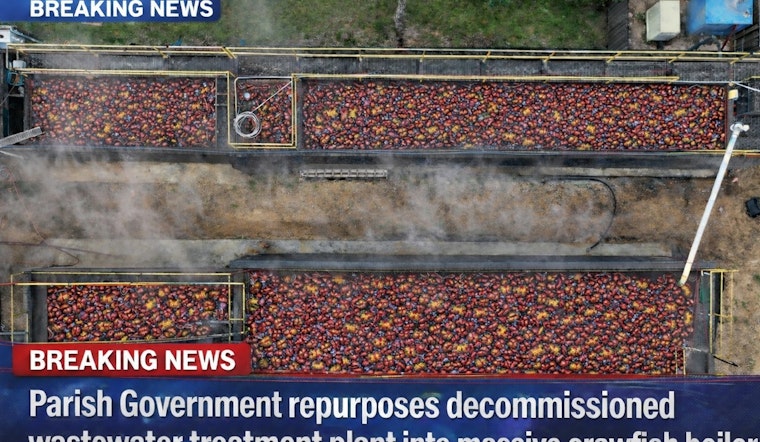
On April 1, 2026, St. Tammany Parish used its official Facebook page to drop a very Louisiana announcement: a decommissioned parish wastewater treatment plant is being reimagined as what the parish is calling the world’s largest crawfish boiler. The post touts the facility’s “record boiling capacity” and says organizers plan a deep clean before any public boils happen. Nearby residents are reportedly split between laughing at the over-the-top scale and asking very down-to-earth questions about safety, zoning, and permits. Parish officials are pitching the move as a playful way to reuse idle infrastructure and tie it to a beloved local tradition.
Parish Leans Into 'World’s Largest' Boast
In the Facebook post from St. Tammany Parish Government, officials say the retired treatment facility “has record boiling capacity” and invite residents to join community boils once the site is ready. The post features photos of the industrial tanks and a brief caption about adding “a little extra flavor” to parish gatherings. What the message does not include is a timeline, so there is still no public date for a first test boil.
From Treatment Tanks To Crawfish Vats
St. Tammany has been consolidating and upgrading its wastewater system in recent years, retiring smaller “package” plants and shifting toward regional facilities. That consolidation work, outlined in the St. Tammany Parish Government 2026 proposed budget, includes major projects such as the Cross Gates and Goodbee treatment plants as part of a broader utilities plan.
A contractor project page for Cross Gates from LEMOINE describes phased demolition of existing treatment tanks and construction of a new 1 MGD plant. That kind of overhaul leaves older facilities sitting idle, which helps explain how a former wastewater plant suddenly became available for a crawfish-themed second act.
Health Codes, Permits And A Whole Lot Of Soap
Turning a former wastewater site into a spot for public boils is not as simple as firing up the burners. According to Justia, which publishes Louisiana’s sanitary code, organizers of festivals and temporary food services have to secure permits from the local parish health unit. The rules spell out minimum standards for water supply, sewage disposal and handwashing facilities, all of which would apply to any large-scale crawfish operation.
Repurposing a former wastewater treatment site into a food venue would therefore require careful inspection, thorough cleaning and formal approval for both public-health and zoning compliance. The parish’s Facebook announcement acknowledges that a cleanup will be needed, but it does not say whether a permit application has been filed with the St. Tammany Parish Health Unit.
Crawfish Culture Meets Industrial Scale
Crawfish are a pillar of Louisiana’s culture and economy, with farmed and wild harvests routinely adding up to tens of millions of pounds each year, according to the LSU AgCenter. St. Tammany is already home to some serious boil operations: the annual Crawfish Cook-Off hosted by the Hospice Foundation of the South lists more than 40,000 pounds of crawfish and pulls in thousands of attendees.
Organizers who run those kinds of events say massive boils are logistically possible, but only with tight planning around sourcing, sanitation and safe food handling. So while the parish’s “world’s largest crawfish boiler” branding fits right in with Louisiana’s love of going big, the real test will come when the health inspectors, engineers and event planners weigh in.
For now, the Facebook post is the main public statement on the project and holds most of the available detail. Parish utilities documents help explain why a retired plant was up for reuse, but key questions remain about permits and timing. We will be watching for health-unit filings, official event dates and any public-health guidance that comes out before the first community boil is actually booked.




