

























































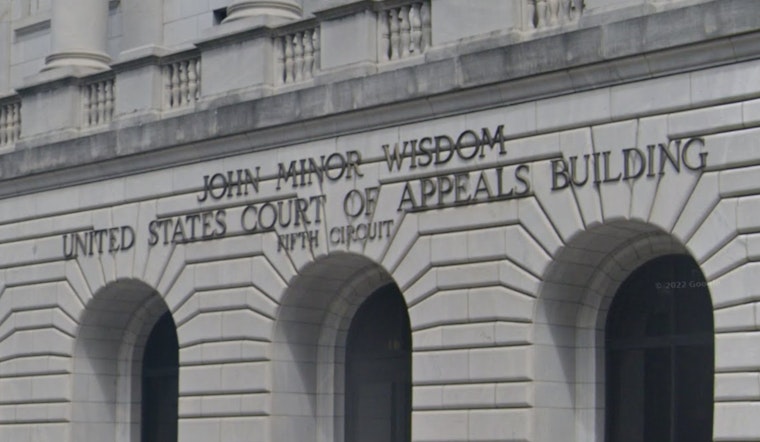
The U.S. Court of Appeals for the Fifth Circuit has tossed out a National Labor Relations Board ruling that said Starbucks broke the law by subpoenaing pro union workers, sending the case back to the agency and injecting fresh suspense into a years-long organizing fight at the coffee giant.
A unanimous three-judge panel told the NLRB to revisit its 2024 decision that found the company’s subpoenas unlawful, and to rethink whether those subpoenas could have a coercive effect on workers. For union organizers and management-side lawyers watching the Starbucks saga, the ruling is a procedural move with potentially big ripple effects.
Writing for the panel, Judge Stephen Higginson said the board treated a test used for throwing out discovery requests as if it automatically established liability, instead of asking whether Starbucks’ conduct would “tend to be coercive” in light of all the circumstances, according to Reuters. The judges vacated the NLRB’s order and ordered the agency to reconsider the matter under that standard, a development detailed by Bloomberg Law. At the heart of the opinion is a core question: should a revoked subpoena be treated as an automatic unfair labor practice, or should it be evaluated case by case.
The dispute traces back to a union election at a La Quinta, California, Starbucks store in 2022, when the company subpoenaed two shift supervisors involved in the organizing effort. An administrative law judge later ruled those subpoenas were overbroad, revoked them, and dismissed the underlying proceeding. The board followed in 2024 by concluding that the requests themselves were coercive, according to reporting from Courthouse News Service. The union argued that even asking for those subpoenas could chill legally protected organizing, which is the kind of procedural knot the appeals court is now asking the board to untangle.
Starbucks brought its challenge to the New Orleans based Fifth Circuit, a court the company has turned to more than once in recent years. That choice, Bloomberg Law notes, fits into a broader strategy of testing NLRB rulings at appellate courts viewed as receptive to arguments about administrative power. The panel also pointed out the oddity that the NLRB itself issued the subpoenas at Starbucks’ request, only to later label their use unlawful, a twist that could complicate similar fights over subpoenas and worker rights.
Legal Implications
On paper, the holding is narrow, but it is far from trivial. The Fifth Circuit did not bless Starbucks’ subpoenas as lawful. Instead, it said the board used the wrong legal test and must decide again whether, in context, the company’s actions would likely coerce employees. Moving away from an almost automatic, categorical approach could mean fewer quick findings of liability tied to revoked subpoenas and more pressure on the NLRB to assemble detailed factual records in these cases.
The ruling also lands at a politically sensitive moment. The board’s membership has changed since its 2024 decision in the Starbucks case, raising the prospect that any fresh ruling could reflect not just a new legal standard but shifting views inside the agency about how aggressively to police employer conduct around organizing.
What Happens Next
The case, Starbucks v. NLRB, No. 24-60500, now returns to the board, which must reconsider its earlier ruling under the approach the court described, according to Reuters. Whatever the NLRB does next, either side can challenge the outcome, so the dispute could easily cycle back to the appeals courts.
The stakes extend far beyond one store in California. Workers have voted to unionize at nearly 700 Starbucks locations since 2021, and rulings about subpoenas, evidence gathering, and coercion help set the ground rules for how those campaigns unfold, from board hearings to courtroom showdowns.
Nobody involved is treating this as the final chapter. Starbucks has denied wrongdoing in the NLRB complaints. On paper, the cast of legal characters is familiar: the board has been represented by its in-house lawyers, Starbucks by private counsel, and organizers by union attorneys, as outlined by Courthouse News Service. For organizers and managers in cities from Seattle to New York and San Francisco, the decision signals that the fight over how subpoenas, confidentiality, and coercion are weighed in labor disputes is far from over, and likely headed for yet another round.





