

























































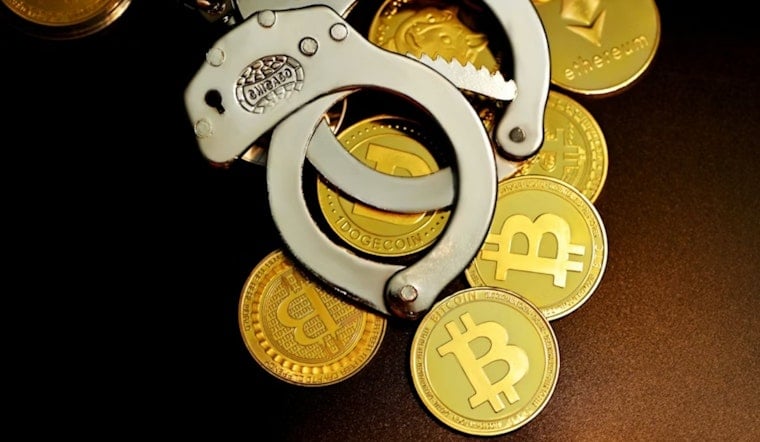
A Stark County task force that chases down crypto scammers has helped return hundreds of thousands of dollars to local victims and has seized more than $1 million in illicit funds, officials say. The unit, called TRACE (Technology, Response and Crypto Enforcement), is led by Jackson Township Detective Jeff Aynes and pulls detectives from the Stark County Sheriff’s Office and nearby departments. Investigators say they lean on subscription blockchain-tracing tools and court orders to freeze and recover stolen cryptocurrency once they track it down.
How TRACE tracks stolen crypto
As reported by News 5 Cleveland, the TRACE team pays for specialized systems that can connect suspicious transfers to cryptocurrency exchanges, which investigators compare to banks. Once they can tie funds to a specific exchange account, detectives take that information to a judge and ask for permission to freeze the assets before scammers can move them again.
The work is anything but easy. Detectives say scammers slice stolen money into rapid micro-transactions, bounce it through layers of wallets, and send it overseas to obscure the trail. Following those funds across borders can require slow, detailed paperwork and international cooperation, which means the clock is always ticking.
A recent Perry Township recovery
One recent case out of Perry Township showed how fast scammers try to work and how quickly TRACE has to respond. When Perry Township police brought over a case involving roughly $15,000 deposited at a bitcoin kiosk, TRACE was able to recover the majority of the money, Perry Township Detective Danielle Paciorek told WJW.
"This is a fear tactic in scams. It's an urgency tactic," Paciorek said, explaining that crooks keep victims on the phone or online so they will not pause to call a family member, a bank, or the police. By the time a victim hangs up, their savings may already be scattered across multiple crypto wallets.
Recoveries so far
The unit’s numbers may not sound like Wall Street, but they are very real for local residents. Investigators say TRACE has seized more than $1 million in funds and has been able to return about $300,000 to victims. Local officials report the task force is handling roughly 80 open investigations, nearly half of them tied to cryptocurrency, and that several recoveries in the area have reached six-figure totals.
For a county-level team, that kind of recovery gives some hope in a crime space that often feels like a one-way street.
Lawmakers eye limits on crypto kiosks
At the Statehouse, lawmakers are eyeing one of scammers’ favorite tools: the walk-up crypto kiosk. State legislators have introduced House Bill 648, known as the ELDER Act, which would impose licensing, disclosure, and consumer-protection requirements on cryptocurrency kiosks, according to the Ohio House Republican offices.
Supporters say the proposal would require clearer warnings at kiosks, place limits on certain transactions, and build in paths for reimbursement that could help slow down scammers who rely on speed and confusion to drain accounts.
Why this matters beyond Stark County
Stark County is not alone in seeing problems tied to bitcoin ATMs and similar machines. The Federal Trade Commission has reported a sharp rise in losses to Bitcoin ATM scams, with fraud losses topping roughly $65 million in the first half of 2024, and older Americans have been hit especially hard.
That national backdrop helps explain why smaller agencies are teaming up and investing in pricey tracing software instead of trying to fight crypto crime solo, case by case.
What to do if you or a loved one is targeted
Investigators stress two basic rules: slow down and verify. If a stranger tells you to buy cryptocurrency or use a kiosk to pay a supposed debt, do not follow those instructions, no matter how official the caller sounds. Hang up, keep all receipts and screenshots, and contact local law enforcement if you suspect a scam.
Officials recommend filing a report with your local police department and with the FBI's Internet Crime Complaint Center, known as IC3. Jackson Township's police department also shares local crime-prevention tips and victims' resources for anyone who needs help documenting a case or getting connected with investigators.
TRACE leaders say the task force is open to partnering with additional agencies that lack the staff or budget for this kind of work, and both the Stark County Sheriff’s Office and Jackson Township are urging residents to report suspected scams quickly so detectives have a chance to act while the funds are still traceable. For practical steps and to submit a federal complaint, the FBI's IC3 portal, followed by a call to your township police, is the recommended route.




