

























































State utility regulators have shoved a key stretch of Xcel Energy’s Colorado Power Pathway across the goal line, overruling Elbert County’s denial and greenlighting work on Segment 5 of the project. The fight has pitted county officials and ranchland owners against a state-backed 345-kilovolt transmission line designed to haul wind and solar power from the Eastern Plains to Front Range cities. With a unanimous vote, regulators moved the battle from county hearing rooms to the state level, setting up fresh land-rights talks and the possibility of more time in court.
PUC Overrides County, Cites Rare Legal Backstop
The Colorado Public Utilities Commission voted 3-0 to overturn Elbert County’s June 2025 rejection of Xcel’s siting permits and leaned on a seldom-used statute that gives the PUC backstop siting authority, according to The Colorado Sun. At an April 10 hearing, an assistant attorney general told commissioners that “the commission authority prevails where local decisions conflict with statewide energy needs,” language the PUC later pointed to as it weighed broader reliability goals for Colorado’s grid.
Commissioners stressed they were making a narrow legal call rather than endorsing every aspect of the project, and a few acknowledged local anxieties about property, fire risk, and changing landscapes, even as they cleared the way for Segment 5.
What the Power Pathway Would Do
Colorado’s Power Pathway is a multi-segment plan to install roughly 550 miles of 345-kilovolt double-circuit transmission lines and several new or expanded substations to move about 5,500 megawatts of wind and solar from the Eastern Plains to Front Range load centers, per Xcel Energy. The company pegs the total budget at about $1.7 billion and identifies Segment 5 as the Sandstone-to-Harvest Mile stretch that crosses Arapahoe, El Paso, Elbert, Lincoln, and Pueblo counties.
Why Elbert County Rejected Xcel
Elbert County’s board turned down Xcel’s 1041 and special-use applications after public hearings in June 2025, concluding the filings were incomplete, weak on wildfire mitigation and at odds with county zoning and economic-development goals, as laid out in the county’s formal resolution. The document describes a proposed 150-foot right-of-way and plans to plant steel towers across 48 miles of county land, and it faults Xcel for launching eminent-domain actions before securing local approvals, according to Elbert County.
Impact, Fees and What Comes Next
The commission said Xcel should pay an impact fee estimated at $2.5 million to Elbert County and noted that neighboring El Paso County’s appeal over its own segment of the project is still unresolved, according to The Colorado Sun. Xcel had appealed the county denials to the PUC in August 2025 and has been pursuing parallel legal action in district court, and the company says construction of Segment 5 will not begin until remaining permits and land agreements are in place, per its project materials.
Practically speaking, any boots-on-the-ground work now hinges on the written PUC order, whatever conditions the commission decides to attach and Xcel’s progress in securing easements or finishing condemnation proceedings.
Bottom Line for Locals
The ruling knocks down a major regulatory barrier for the Power Pathway but does not end the fight. Landowners, county leaders and Xcel now pivot to written orders, impact conditions and the slower, more personal work of hammering out rights-of-way.
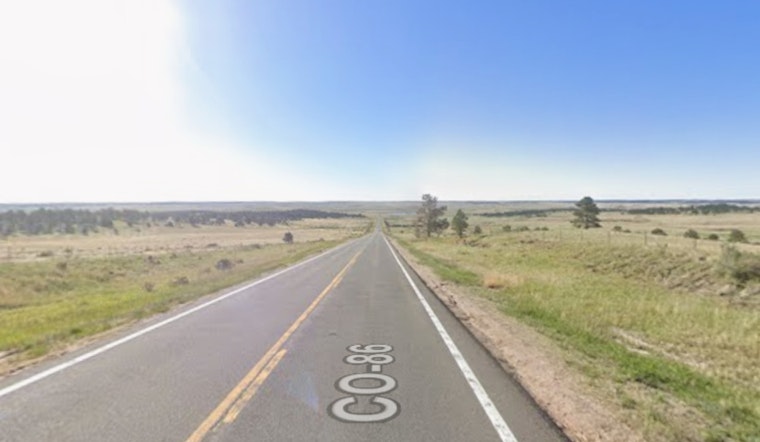
For residents along Highway 86 and other affected corridors, the core question is whether mitigation measures, impact fees and final PUC terms will change the route, drag out the schedule or shift the costs they will be living with for years to come.





