

























































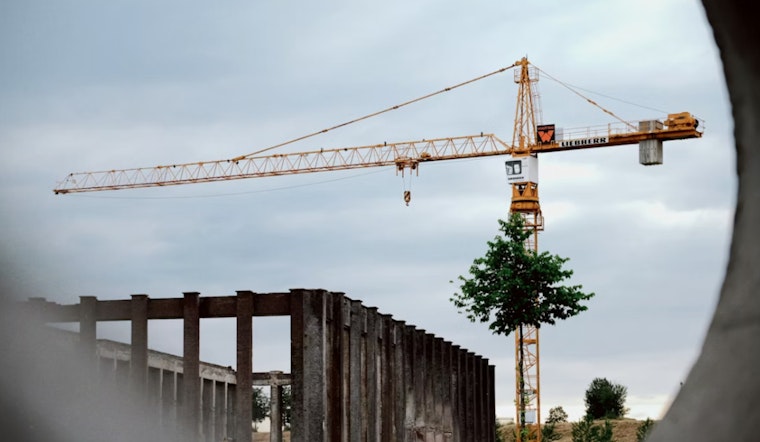
Seattle’s SoDo neighborhood is getting a full-on rail makeover as steel and cranes crowd into King Street Yard. Amtrak’s $300 million overhaul of the site has pushed past the halfway mark, turning what was a workhorse yard into a modern maintenance hub for the next generation of Airo trainsets and tightening up how Cascades and long-distance trains get turned around.
Crews say the SoDo project is “more than halfway done,” with the metal shell and structural frame now dominating the yard, according to the Puget Sound Business Journal. Amtrak describes the Seattle work as one piece of a nationwide yard-modernization program funded by the Infrastructure Investment and Jobs Act, with the King Street Yard upgrade slated to wrap in 2027.
What’s Being Built
The centerpiece is a roughly 100,000-square-foot maintenance building that will house two maintenance and inspection bays, plus a separate bay dedicated to service and cleaning, according to industry reporting. Construction Review notes that PCL Construction is leading the job, and crews have had to drive deep steel piles and run heavy dewatering operations because the facility sits on old tidal fill. As part of Amtrak’s net-zero goals, the redesigned yard is being set up to operate without fossil-fuel heating.
Why It Matters For Riders
Once finished, the rebuilt yard will let Seattle host and maintain Amtrak’s Airo trainsets, unified train consists designed for faster, more reliable service and a quieter ride. Amtrak says those Airo sets are slated to enter Cascades service in 2026. Pairing that new equipment with a purpose-built shop is expected to cut turnaround times and shrink out-of-service windows for both Cascades and the long-distance Empire Builder and Coast Starlight lines, changes riders and state transportation planners have been pushing for.
Progress, Noise And What’s Next
Crews wrapped up the pile-driving phase last summer, then shifted into mass excavation and foundation work before lifting the steel shell into place, according to Railway Track & Structures. The site has needed substantial dewatering, with industry reports citing roughly half a million gallons a day at peak. Neighbors can expect ongoing truck traffic and crane activity through 2026 as exterior construction and yard work continue. The Puget Sound Business Journal also reports that Amtrak expects at least some Airo equipment to be on Washington rails this summer as testing and commissioning continue.
For nearby residents, the long-term payoff is a cleaner, better-organized yard and new jobs tied to operations and maintenance. For riders, it is newer trains and a more reliable Cascades corridor. Local reporting and Amtrak’s program pages are expected to keep tracking the project as it moves from structure to systems work and then into full testing ahead of regular operation.





