

























































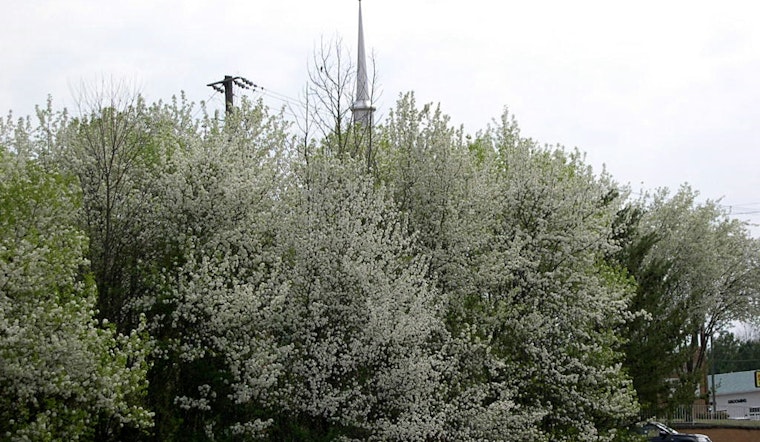
Every April, Illinois streets and highways turn frothy white with blooming Bradford pear trees, a spring sight most drivers and dog walkers know by heart. The show is short, the smell is infamously fishy, and between their habit of splitting in storms and creeping into natural areas, these trees have gone from suburban darlings to problem neighbors. This year, those blossoms come with an expiration date, as officials move to phase Callery and Bradford pears out ahead of a statewide sales and distribution ban.
According to FOX 32 Chicago, Bradford pears are already in bloom across the state and drawing fresh scrutiny. The Illinois Department of Natural Resources expanded the state's Exotic Weeds Act last fall, and the University of Illinois Extension reports that Callery pear, the species commonly sold as Bradford, will be labeled an exotic weed and barred from sale or distribution starting Jan. 1, 2028.
Why Officials Want Them Gone
Experts say the tree's neat, lollipop street-tree look has long hidden a bigger headache. Different Callery pear cultivars can cross-pollinate and produce fruit, and birds then ferry those seeds into fields and woodlands. The Morton Arboretum notes that Callery pear forms dense, often thorny thickets that crowd out native plants, that the flowers give off a "disagreeable odor," and that the tree's characteristically narrow branch angles make mature specimens vulnerable to storm damage.
Communities Are Preparing
Local governments and park districts across Illinois are already setting aside money to remove and replace problem trees. In Romeoville, for example, a current plan calls for planting 2,500 new trees over six years while taking out hundreds of invasive Bradford pears, according to CBS Chicago. Nurseries and growers have been given a phase-out window so existing stock can be sold before the 2028 cut-off, but some communities are moving faster to head off canopy failures and long-term maintenance costs.
What Homeowners Need To Know
Homeowners are not being told to grab a chainsaw tomorrow. The Exotic Weeds Act change prohibits buying, selling or planting the species, but it does not require the removal of trees that are already in the ground, the University of Illinois Extension explains. "It is important to recognize these species are harmful to Illinois and to take steps to reduce their impact," said Chris Evans, a University of Illinois Extension forestry and research specialist, in the extension release.
Enforcement And Next Steps
The Illinois Department of Natural Resources' Office of Law Enforcement will take the lead on enforcing the updated rules after the 2028 effective date, and the agency has agreements with nursery inspectors to monitor stock in the meantime, according to the Outdoor Illinois Journal. For anyone planning a replacement, experts suggest opting for regionally appropriate natives such as serviceberry, redbud or flowering dogwood instead of another ornamental Callery cultivar.
So enjoy this year's brief white bloom, nostrils permitting, but think twice before planting a new Bradford pear. Illinois has set a firm date to stop the sale, and municipal crews and backyard gardeners alike are now slowly trading in those controversial blossoms for trees that better support native wildlife and a sturdier urban canopy.





_outside_of_Knoxville,_Tennessee_-_Flickr_-_Jay_Sturner.jpg)