

























































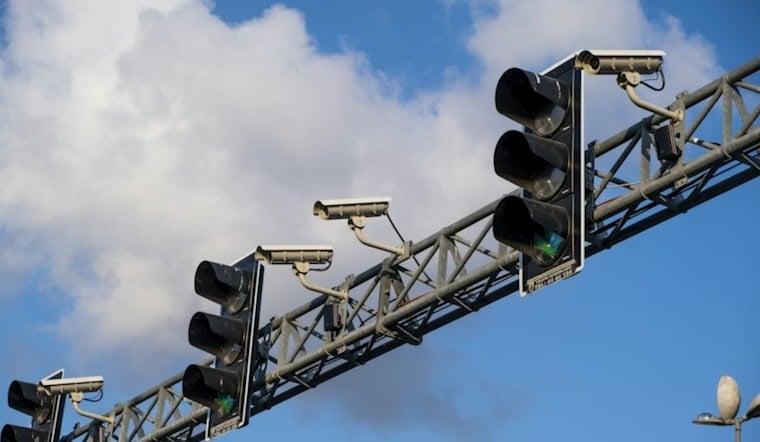
Sunnyvale is keeping its digital eyes on the road. This week, the City Council voted to keep a network of fixed license-plate cameras in place, siding with public safety officials who argue the system helps stop violent retail robberies and find missing people. Residents who showed up to push back called the vendor’s reach and data-sharing history a surveillance red flag, but the council closed out a high-profile local fight by backing the cameras anyway.
Council Sticks With Cameras After Audit
The council voted unanimously to continue using Flock Safety’s automatic license-plate readers after a city review found no evidence that the 20-camera system had shared data with federal immigration authorities, according to SFGATE. Council members leaned on that finding, the system’s data-retention rules, and public safety officials’ examples of time-sensitive investigative wins in making their case to keep the program.
What The City Report Shows
Details of the program are laid out in a staff report to the council. Sunnyvale operates 20 fixed ALPRs, and captured images are deleted after 30 days unless they are tied to an active investigation, according to City of Sunnyvale documents. The department reports that the system has generated more than 28,000 alerts and supported roughly 140 investigations and 61 arrests.
The same report notes the current contract runs through 2027, with a three-year price tag of about $213,500. Staff recommended stronger oversight, including annual audits by the Information Technology Department and an annual public report, and urged the city to put clearer guardrails in place as the technology continues to evolve.
Regional Backlash Over Unauthorized Access
Sunnyvale’s decision comes as neighbors grow more wary of who, exactly, can tap into these camera networks. Mountain View shut off its Flock cameras after an audit uncovered unauthorized federal searches of the city’s license-plate data, prompting other jurisdictions to recheck their contracts and system settings, per the San Francisco Chronicle. Those revelations have led cities across the Bay Area to tighten controls or pause programs while they comb through vendor permissions and access logs.
Business Owners Say Cameras Helped
At Tuesday’s meeting, several small-business owners hit the mic to argue that the cameras are doing exactly what the city paid for. They credited ALPR alerts with getting officers to crime scenes faster and said turning the system off would leave them more exposed.
One jewelry store owner told the council that Sunnyvale officers called with a heads-up that “six cars are on the way” after an earlier incident, a warning he attributed to ALPR alerts, while privacy advocates countered that the same technology can be misused, according to SFGATE. The divide was clear: some see a digital shield, others see a tracking network.
Oversight Steps And What Comes Next
To answer at least some of those concerns, city staff proposed, and the council backed, a package of safeguards. The plan calls for yearly audits by the Information Technology Department, an annual public report from Public Safety, and ongoing monitoring of state law and policy, all spelled out in the staff recommendation. Officials also said the city will revisit its vendor options before the contract is renewed in 2027, according to City of Sunnyvale documents.
Legal Questions Remain
Even with those promises, the legal and civil liberties backdrop is far from settled. State law already limits certain types of ALPR data sharing, and nearby San José has tightened its own retention and access rules while facing litigation over its Flock contract, according to reporting by KQED. That legal climate helped shape Sunnyvale’s review.
Privacy advocates argue that a regional web of networked readers can still build a detailed mosaic of people’s movements, even with a 30-day retention limit. City leaders counter that annual audits and public reporting are meant to keep that risk in check while retaining a tool they say is now woven into how they investigate crime. For now, the cameras stay up, and the debate over how far they should reach is not going anywhere.




