

























































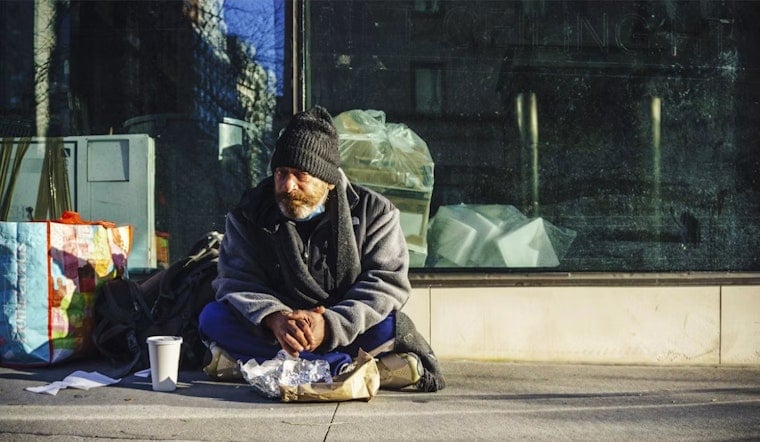
San Mateo County’s 2026 one-day homeless count found 2,240 people experiencing homelessness on Jan. 29, with nearly half staying in shelters. Volunteers and outreach teams tallied 1,095 people in emergency, transitional or other temporary programs, while 1,145 people were counted unsheltered. The 5% uptick from 2024 reflects more people landing in beds rather than a wave of new encampments.
Those totals are detailed in San Mateo County's Human Services Agency executive summary of the One Day Count, which notes the sheltered population rose by 110 people and that 1,772 people moved through the county system into permanent housing since the 2024 count. The Count was conducted in the early morning hours of Jan. 29, 2026, with outreach surveys collected over the following week, the summary says. The executive summary also provides a jurisdiction-level breakdown and charts tracing trends back to 2013.
Shelters and housing placements
The county reports shelter capacity has expanded 41% since 2020, including four new non-congregate shelters that added 449 beds and additional expansions at existing sites. Officials say that growth has helped create stronger pathways into housing and is a key part of the local strategy to move people into permanent homes. "The county’s investment has been making a meaningful difference," HSA Director Claire Cunningham said, according to the San Mateo Daily Journal.
Where people were sleeping
Among the 1,145 unsheltered people, about 42% were found sleeping in cars or vans, 27% in RVs and roughly 22% on the street or in tents. The highest concentrations were counted in Pacifica (228), Redwood City (175), Daly City (147), East Palo Alto (107) and the unincorporated coastside (95), according to the Human Services Agency executive summary.
Why this matters
County officials also pointed to rising housing costs as a driving force. Citing HUD fair-market rent estimates, the county notes that monthly fair-market rent for a two-bedroom rose from $3,359 in 2024 to $3,604 in 2026, intensifying pressure on low-income households and increasing demand for prevention and shelter services. The county highlighted Measure K investments, the new Right at Home prevention pilot and expanded outreach as parts of a multi-year push to reduce homelessness, and said a full One Day Count report will be published this fall. HSA leaders stress that, while the Count is a useful snapshot, placements measured over time tell a fuller story of how people move into stable housing, per the county release.





