

























































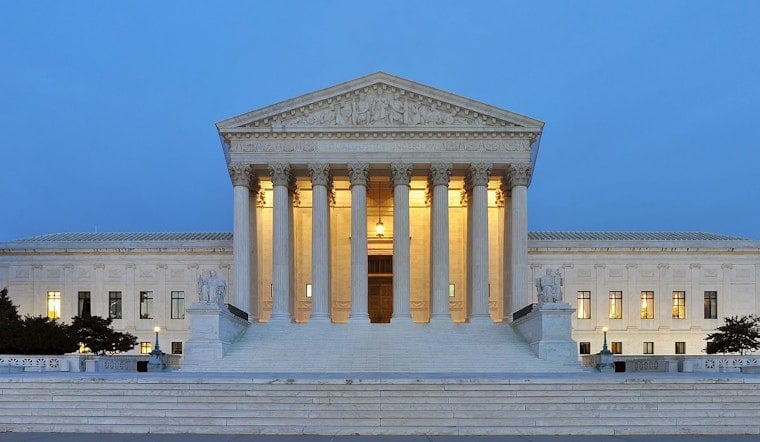
In a closely watched Tallahassee case that turned a middle school support plan into a constitutional battle, the U.S. Supreme Court on Monday declined to hear an appeal from parents who sued Leon County Schools over how staff handled their child’s gender identity. The move leaves in place an appeals court dismissal and the district’s updated rules on when families must be notified.
According to Reuters, January and Jeffrey Littlejohn went to court after their then 13-year-old at Deerlake Middle School began identifying as nonbinary and, they allege, school staff created a “covert gender affirmation plan” without telling them. The parents sued the school board and several officials in 2021, arguing that the district’s response violated their 14th Amendment parental-rights protections. By turning the case away, the Supreme Court leaves the lower courts’ rulings intact for now.
What the appeals court said
A three-judge panel of the U.S. Court of Appeals for the 11th Circuit affirmed the dismissal in March 2025, applying a demanding test for executive-action due-process claims that requires conduct that “shocks the conscience.” As detailed by the 11th Circuit, the panel concluded that school officials “did not act with intent to injure,” which meant the Littlejohns’ federal claims could not move forward. The opinion deliberately left some bigger constitutional questions unresolved, including whether that “shock-the-conscience” standard should govern all parental-rights challenges in this area.
Local policy and reaction
Local reporting has highlighted that Leon County’s guidance, first issued in 2018, instructed staff to seek a student’s consent before notifying parents about changes to names or pronouns at school. That guidance was later revised after Florida’s 2021 parental-rights law came on the books. The district urged the Supreme Court to deny review, and the dispute drew briefs from state officials and advocacy groups on both sides, turning this Tallahassee fight into a marker in the broader national clash over school policies and student privacy. Tallahassee Reports dug into key court filings and the Student Support Plan at the center of the lawsuit.
Why this matters
The high court’s decision not to step in leaves the 11th Circuit’s analysis controlling within that circuit but stops short of creating any nationwide rule, which means similar disputes can still surface in other regions. Legal watchers point out that the Littlejohns’ case arrives amid a run of related petitions and emergency filings focused on student privacy, parental notification and school policies that the justices have been monitoring. SCOTUSblog has been tracking those parental-rights petitions and the cluster of school-related cases on the court’s docket.
Legal implications
On the ground, the ruling means parents within the 11th Circuit face a steep procedural climb when challenging specific actions by school officials under the Due Process Clause. The appeals court applied the “shock-the-conscience” framework in throwing out the Littlejohns’ claims, as the 11th Circuit explained. That standard sharply narrows the path to damages unless there is evidence of especially egregious or intentionally harmful conduct. For now, Leon County’s revised guidance continues to govern local practice while the legal and political debate plays out at both the state and national levels.
What happens next
With the Supreme Court declining to hear the case, the Littlejohns’ federal claims will not go forward under the theory they advanced, although other legal strategies could still be explored. Families, school leaders and lawyers across the country will be keeping an eye on how other federal circuits handle similar disputes and on whether future Supreme Court moves change the standard for how schools balance student privacy with parental rights.





