

























































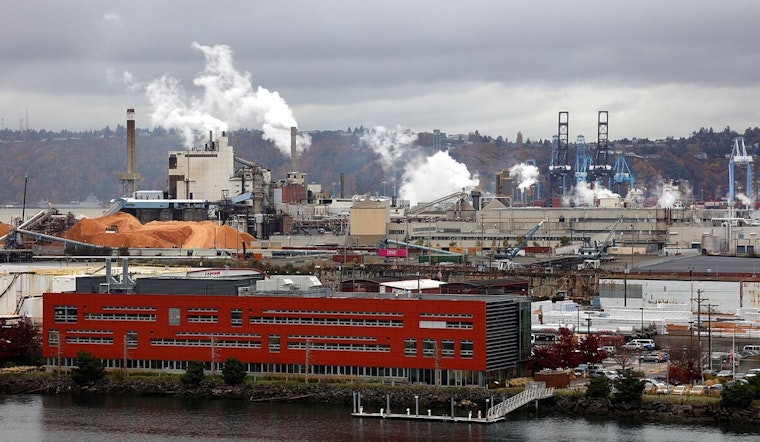
A long‑running pollution problem on Tacoma’s Tideflats has turned into a high‑stakes contract showdown, with a Pennsylvania chemical company arguing that the Port of Tacoma knowingly bought two contaminated parcels “as is” and should now live with the fallout. The Port wants nearly $10 million back for investigation and cleanup at the former PQ operations, and PQ’s recent response and counterclaims have set up a federal courtroom fight over what the 2008 contract really covered, who is on the hook under environmental law, and who pays for the next round of remediation on Taylor Way.
Lawsuit and site history
The Port of Tacoma filed suit in U.S. District Court in Tacoma on Feb. 20, 2026, asking a judge to order PQ LLC to reimburse the public for millions already spent on contamination work. The case centers on two contiguous parcels at 1114 and 1202 Taylor Way that state cleanup records say once hosted a sodium silicate plant, where decades of operations left behind metals, petroleum, PAHs and other hazardous substances. The properties are enrolled in the Washington Department of Ecology’s voluntary cleanup program and have been the focus of remedial‑investigation work and planning for years, according to the Washington Department of Ecology.
What PQ is arguing
PQ Corp, through an LLC named in the case, filed its response and counterclaims on March 26, 2026, arguing that the Port agreed to buy the land “as is, where is and with all faults” in a 2008 purchase‑and‑sale agreement and acknowledged reports identifying contamination before closing. PQ’s filing says the Port is seeking costs for hazardous substances that PQ did not release and that the Port’s complaint fails to state a claim on which relief can be granted. The company is asking the court to dismiss or at least limit the Port’s recovery claims while it presses counterclaims tied to the sale documents, as reported by The News Tribune.
Port pushes back
The Port, which bought the parcels from PQ in 2008 and enrolled the site in Ecology’s cleanup program in 2012, says it is trying to protect public dollars and will keep pushing its case. “The Port of Tacoma’s lawsuit against PQ LLC seeks to recover nearly $10 million in public funds spent cleaning up contamination left by decades of PQ’s industrial operations,” the Port said, adding it “stands by the claims made in our lawsuit and looks forward to the opportunity to recover costs associated with PQ’s legacy contamination.” The Port also points to a 2016 interim cost‑sharing agreement and says PQ stopped cooperating last year, which it says forced the Port to continue cleanup work on its own, as reported by The News Tribune.
Why it matters to Tacoma
For the Port and the surrounding Tideflats, the outcome will decide who picks up cleanup bills that can exceed the value of the land itself and weigh heavily on redevelopment plans. The Port’s own project reports list “PQ contamination” among active remediation items and show the agency budgeting for remedial investigation and feasibility‑study work, along with cleanup on the Taylor Way parcels, which helps explain why the Port is aggressively pursuing legal cost recovery. Whoever ultimately pays will influence how and when the site can be put back into service, and whether the Port can realistically repackage the lots for future industrial or maritime use, according to the Port of Tacoma.
Legal implications
Legally, the dispute will test how purchase‑and‑sale language and successor‑liability concepts interact with Washington’s Model Toxics Control Act, which gives regulators and public entities tools to recover cleanup costs from potentially liable parties. Courts often scrutinize these contracts closely, and an “as‑is” clause does not automatically shield a seller from statutory remediation obligations if the law or the factual record ties releases to the seller’s operations. The MTCA framework and related state rules provide Ecology and local governments with mechanisms to pursue cost recovery while courts sort through contract defenses, according to WAC 173-340 and related MTCA rules.





