

























































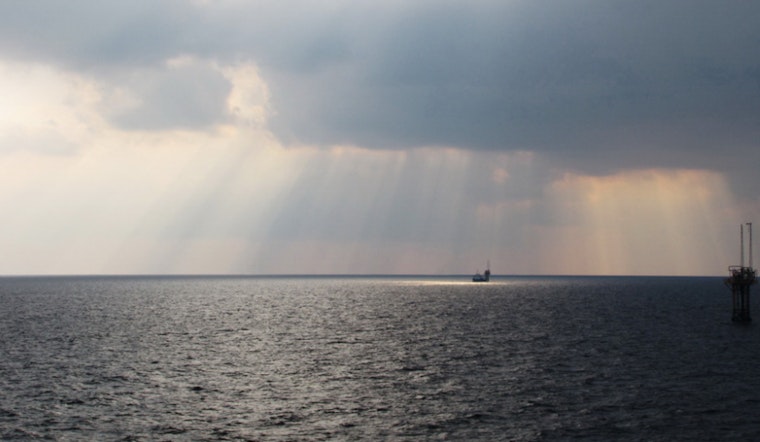
Iran abruptly walked back its brief reopening of the Strait of Hormuz on Saturday, April 18, 2026, announcing it would restore strict controls and warning that commercial traffic will stay limited while the United States maintains a naval blockade. The reversal came as Iranian gunboats reportedly opened fire on at least one tanker and other vessels were forced to turn back, choking one of the world’s busiest energy chokepoints.
Iran’s joint military command declared that “control of the Strait of Hormuz has returned to its previous state ... under strict management and control of the armed forces,” and warned the restrictions would remain in place as long as the U.S. blockade of Iranian ports continues, according to The Associated Press. Tehran’s parliament security chief said the move restores a setup under which Iran authorizes, and can charge for, passage.
Gunboats, Projectiles And Turnbacks
British military and maritime monitors reported a tense day around the strait on Saturday. The United Kingdom Maritime Trade Operations center said two gunboats tied to Iran’s Revolutionary Guard opened fire on a tanker, and later reported that an unknown projectile struck a container ship northeast of Oman, damaging containers but not injuring crew, as detailed by The Washington Post. U.S. Central Command said more than 20 ships have been turned back since the blockade began, and ship‑tracking sites showed some tankers reversing course after coming under warning fire.
Why It Matters For Oil And Trade
The Strait of Hormuz funnels about 20% of the world’s oil and LNG, so renewed restrictions, and attacks on commercial vessels, can quickly rattle energy and financial markets. The International Monetary Fund has already trimmed global growth forecasts amid disruption at the chokepoint, and analysts warn that a wider or longer closure would push prices and inflation higher, according to reporting by Al Jazeera.
Diplomacy At A Crossroads
Pakistan has been the main go-between in talks aiming to turn a short truce into something more durable, and mediators say Islamabad is expected to host another round of U.S.-Iran discussions early next week, according to The Associated Press. The renewed closure now threatens to unwind that fragile progress, with Tehran tying safe passage to broader concessions and Washington insisting its blockade will stay in place until core U.S. demands are met.
Legal Questions And Next Steps
Iran’s plan to regulate, or potentially charge fees for, passage through the strait raises thorny questions under international maritime law. The U.N. convention that governs international straits generally bars tolls for simple transit, although coastal states may charge for certain services, Al Jazeera notes. With insurers, shipowners and foreign navies watching closely, the immediate test is whether mediators can lock in terms before the temporary truce window closes and commercial traffic, and market stability, take an even deeper hit.



