

























































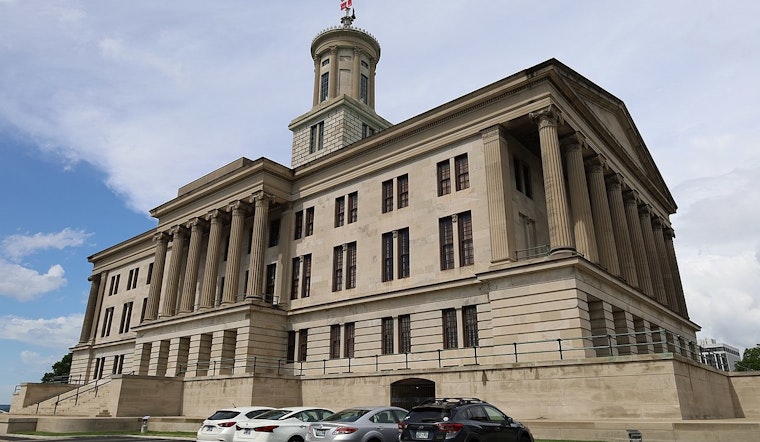
Families of long-missing Tennesseans crowded into the State Capitol this week, urging lawmakers to back a bipartisan plan that would finally give cold cases their own squad inside the Tennessee Bureau of Investigation. The proposal would pull together unsolved missing-person and homicide files from across the state and require local agencies to hand over cases that have gone a decade without resolution. Relatives say they are tired of waiting for leads to magically appear and want investigators assigned who will actively push cases forward.
What the bill would create
According to the Tennessee General Assembly, HB 2606 would order the TBI to stand up a formal Cold Case Division split into three geographic regions. Each region would be overseen by a director and staffed with at least five detectives focused on old cases. Local law-enforcement agencies would have to submit unsolved missing-person or homicide investigations to the division after 10 years with no resolution, and families could request a review if specific criteria are met.
Family push at the Capitol
Casey Robinson, who has spent more than two decades searching for answers after her sister and niece vanished in Springfield in 2004, told NewsChannel 5 that “our case has gone many years without any new information.” She said she brought 10 families with her to the legislature so lawmakers could see, face to face, who is living with those unanswered questions.
Among them was Jonnie Carter, who started the Bethany Markowski Foundation after her daughter disappeared in Jackson in 2001. Carter said she has “never quit on Bethany” and has thrown her support behind the push for a statewide cold case unit as another way to keep her daughter’s name and story in front of investigators.
Staffing and price tag
A fiscal estimate filed with the Tennessee General Assembly pegs the startup cost at about $3.87 million for fiscal year 2026–27 and roughly $3.07 million in the years after that, funding 18 positions. That lines up with the bill’s three-region design and will be a key sticking point for lawmakers who like the concept but still have to balance the numbers.
TBI work now and why advocates want a unit
The TBI already runs efforts aimed at putting names to unidentified remains and has used federal money to expand forensic genetic genealogy testing. Advocates acknowledge those programs but say a permanent cold case division would create something different: a statewide team with an ongoing mandate to reopen and re-check long-stalled files instead of tackling them only when time and funding allow.
According to the Tennessee Bureau of Investigation, its Unidentified Human Remains Initiative continues to work with local agencies and currently lists more than 100 cold cases involving unidentified remains.
What happens next
The measure has already cleared one major hurdle. It was recommended for passage by the Senate Judiciary Committee and sent on to the Senate Finance, Ways and Means Committee for a closer look at the cost. It has also moved through House committee steps, according to the Senate Republican Caucus. If it advances, legislators will have to hammer out details on staffing levels, oversight and exactly how local agencies will coordinate with the new division.
For the families watching from the gallery, the ask is more basic: a steady point of contact and investigators who will not let their cases fade into the back of a filing cabinet. Advocates say a dedicated division could give relatives of missing people more reliable access to records, regular case reviews and a clear path back into investigations that have been stuck in neutral for years.





