

























































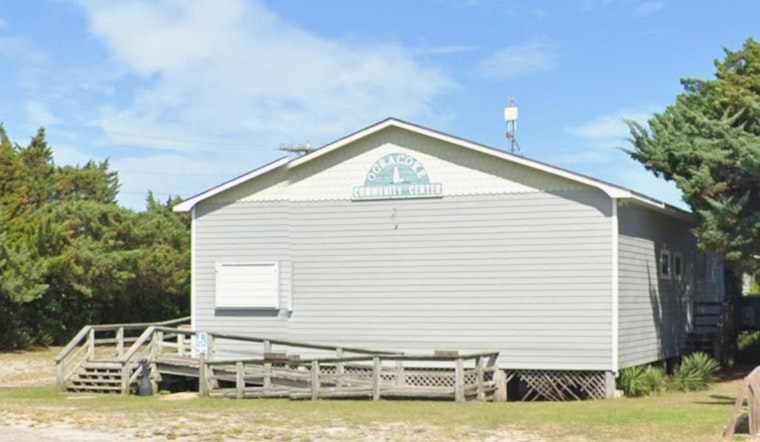
Developers eyeing Ocracoke’s postcard-perfect waterfront just hit a serious speed bump. The island’s Community Square, a tight cluster of small shops, docks and the working fish house that serves as the heart of the village, is now legally protected from large-scale redevelopment. Islanders and preservationists say the deed-based safeguard is designed to keep the village center intact as coastal real estate heats up, a rare win for a remote community trying to hang onto its historic character while demand for waterfront parcels keeps climbing.
The newly recorded preservation easement wraps five commercial buildings and nearby boat slips in the middle of Ocracoke Village. It covers the Community Store (1950), the William Ellis Williams House (circa 1900), Will Willis’ Store and Fish House (1930), the Electric Office (circa 1936) and the island’s first electric generator plant (circa 1936). The Ocracoke Foundation, which stepped in to buy the square in 2013 after the properties were listed for sale in 2009, financed the purchase with loans and donations and has been using lease revenue to chip away at the debt. The remaining balance is now roughly $200,000, and foundation leaders say they are in talks to add the Ocracoke Seafood Company to the protections so the fish house keeps operating, according to the The Charlotte Observer.
Why easements matter
Preservation advocates say deeded covenants that ride along with property titles are often the strongest tool available when communities want to block teardowns or extreme makeovers after a sale. “Easements (or covenants) are the only legal tool to protect historic properties from the threat of demolition or loss of integrity,” Preservation North Carolina’s Eastern regional director Maggie Gregg told the The Charlotte Observer. On Ocracoke, those protections are especially critical because the buildings sit on Silver Lake and include boat slips that make the parcels particularly tempting to would-be developers.
How the foundation paid for it
The Ocracoke Foundation says it pulled together roughly $1.6 million in 2013 to secure the Community Square, a package that included interim loans, a bank loan and private gifts, according to the Ocracoke Foundation. Since then, the nonprofit has overseen building restorations, wastewater and dock repairs, and has leased spaces to small tourism businesses to generate revenue for a community fund. Foundation leaders say the approach is simple but intentional: preserve the historic asset, keep public access to the waterfront, and use lease income to pay for upkeep and community needs so the island stays a working place instead of splintering into luxury waterfront lots.
What’s next for the harbor
Local leaders and preservationists emphasize that this is about protecting a working waterfront as much as preserving old storefronts. The Ocracoke Seafood Company still runs a fish house on Silver Lake and lists its harbor address and hours on its site, underscoring its place in island life and the local fishing economy, per the Ocracoke Seafood Company. Keeping both the historic buildings and the active seafood operation intact, they say, is key to preserving jobs, public access and the lived-in village character that keeps drawing visitors back to Ocracoke.



