

























































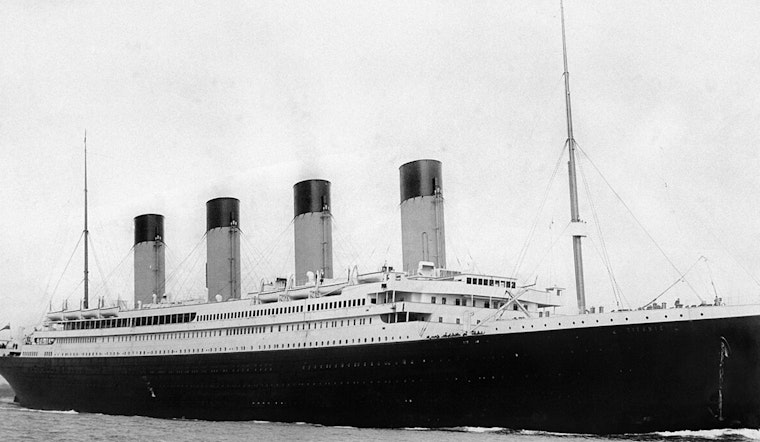
The Titanic is sailing into Austin again, this time as a walk through history instead of a doomed ocean voyage. A new immersive exhibition opens in North Austin on Friday, offering more than 200 original artifacts, life-size recreations of shipboard spaces, and an audio narrative that walks visitors through the night the liner went down.
The touring show, titled Titanic: The Human Story, was developed by Spanish exhibition producer Musealia and is presented locally by Fever. Organizers are billing the Austin run as the exhibition’s U.S. debut and say the experience zeroes in on passengers and crew members, not just the famous ship itself, according to Fever. Musealia notes that the presentation was curated with guidance from Swedish Titanic historian Claes-Göran Wetterholm so that individual stories sit at the center of the narrative.
The exhibition opens Friday at 11000 Middle Fiskville Road in North Austin and is scheduled to stay in town through mid-November. Timed entry tickets are available online, and organizers say most visitors will spend about 80–90 minutes inside the show, according to the official event page. General adult admission starts in the low $30 range, and tickets are sold through the event site and the Fever app.
What You’ll See Inside
Once inside, guests move through recreated first, second, and third class areas while listening to an immersive audio guide that layers testimony, period music, and sound effects. The more than 200 items on display include letters, clothing, luggage, and other personal possessions tied to specific passengers and crew members, per Musealia. Life-size reconstructions are designed to place those belongings in context and to highlight the rhythms of everyday life before everything changed in the North Atlantic.
A 1912 Tragedy in the Spotlight
The Titanic struck an iceberg late on April 14, 1912, and sank in less than three hours. Somewhere between 1,490 and 1,500 people died, and just over 700 survived, a survival rate of about 32 percent, according to Britannica. At the time, the ship carried only 20 lifeboats that could hold roughly 1,178 people, a glaring shortfall that helped drive later international maritime safety reforms. Modern SOLAS and LSA rules now call for total survival craft capacity that can equal or exceed a ship’s certified complement, with older standards often set around 110 percent and some newer rules requiring up to 125 percent, per the IMO.
How to Plan a Visit
Organizers suggest buying timed tickets in advance and expect plenty of family groups and school field trips to filter through during the run. Local coverage has cast the exhibition as both a history lesson and a seasonal anchor for North Austin, according to the Austin American‑Statesman. For ticket details and FAQs, check the event page or the Fever app, and budget about 80–90 minutes to experience the full exhibit.





.jpg)