

























































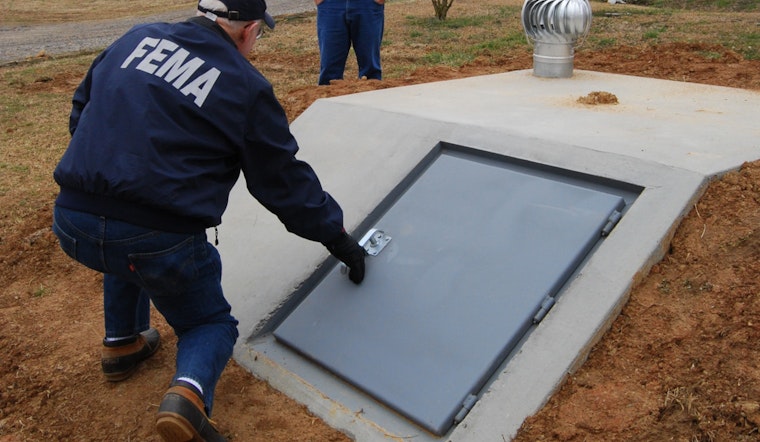
As Oklahoma barrels into another storm season, most students still spend their school days outside FEMA-rated storm shelters, leaving many campuses exposed when the skies turn green and the sirens start. The state’s long history of brutal twisters, from the 1999 Bridge Creek–Moore outbreak to deadly storms this spring, has pushed some districts to build safe rooms. But what has emerged, according to local reporting and official damage surveys, is a patchwork: a few hardened campuses here, some bond measures and grant applications there, and no uniform, statewide safety net.
News On 6 found that about 28% of Oklahoma students have access to a FEMA-rated shelter during the school day after the station reached out to roughly 350 schools across northeastern Oklahoma. The outlet also reported that 19 additional shelters are planned or under construction, and that current state guidance requires a FEMA-grade storm shelter in new school projects when occupancy exceeds about 200 people.
What a "FEMA-rated" Shelter Actually Protects Against
These safe rooms are not just thicker walls or a beefed-up hallway. They are engineered structures built to resist extreme wind pressures and wind-borne debris. The Building America Solution Center explains that tornado-safe rooms are designed to stand up to pressures and debris impacts associated with wind speeds up to about 250 mph and must meet strict anchoring, ventilation and accessibility standards, which is why they carry a higher price tag than typical school construction.
Money, Codes and Paperwork
Even when local leaders want safe rooms, turning that intent into concrete and steel can get bogged down in cost and bureaucracy. FEMA program documents show that mitigation grants have covered as much as 75% of eligible safe-room costs in prior projects, but districts have to clear several hurdles. Applicants must show their projects are in counties with FEMA-approved hazard mitigation plans and that the designs meet the agency’s accessibility and construction standards, according to FEMA.
Local Contrasts Make the Gaps Obvious
That uneven landscape is easy to spot on the ground. Mulhall-Orlando Elementary was rebuilt with a FEMA-certified safe room, and News On 6 reported reinforced concrete walls roughly a foot thick, a reinforced roof, heavy steel doors and staff who say they can move all students into the band-room shelter in under 90 seconds. A short drive away, Beggs Public Schools' high school and middle school suffered heavy roof damage when an EF-3 tornado hit the campus in March, according to the National Weather Service. The agency’s historical account of the 1999 Bridge Creek–Moore outbreak helps explain why many communities still treat school safe rooms as a top priority rather than a luxury.
Where It Goes From Here
For now, progress depends heavily on local capacity. Districts that can combine voter-approved bond money with federal mitigation grants tend to move first, while others wait on grant approvals, hazard-mitigation plan updates or community support at the ballot box. The likely path is slow and steady: more dual-use gym or auditorium safe rooms, more targeted projects in high-risk counties and, unless there is a major shift in funding or policy, no quick statewide fix for the kids still learning in the storm’s path.





