

























































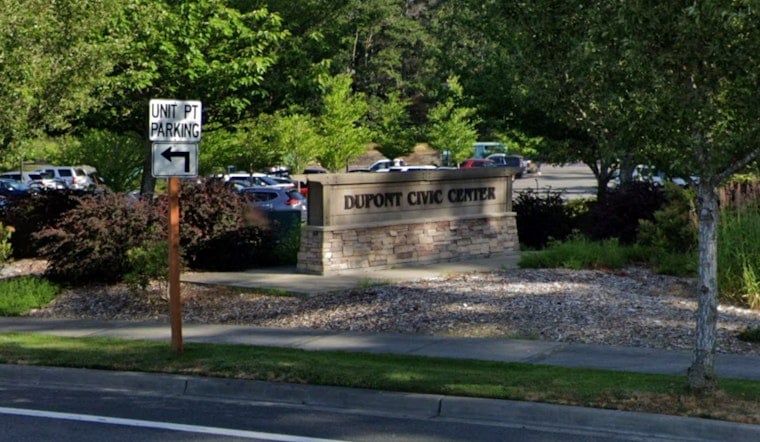
DuPont is being sold a vision of lakeside strolls and waterfront sunsets, but there is a catch: the dirt is literally dirty. DuPont officials and developers are promoting a plan to add lakeside trails around Old Fort Lake, yet recent soil testing that shows arsenic and lead means the city may have to take on cleanup responsibilities before anyone can safely use the shoreline. The pitch centers on a private developer's promise of parks and public paths built alongside new housing, while regulators are clear that contamination has to be tackled first. City leaders had until Saturday to decide whether to accept liability on the bluff and Old Fort Lake parcels.
Developer’s Pitch And Who Pays
Albatross Estates LLC, which owns most of the former Weyerhaeuser-DuPont site, is proposing more than 2,000 homes along with retail, entertainment space and public trails, a package local leaders say would fund parks through property taxes and developer impact fees, as reported by The News Tribune. The company has offered roughly $5 million toward cleanup on the parcels it controls, the paper reports, and is framing new trails as a key public benefit to justify the broader redevelopment. Supporters argue the project could revive long-dormant shoreline access, but only if regulators sign off on contamination cleanup first.
What The Testing Shows
Washington State Department of Ecology files show that the property at 2301 Center Drive, the former explosives plant, still has pockets of arsenic and lead above state screening levels, especially in shallow soils, and that hundreds of samples taken during past investigations exceed cleanup benchmarks. Ecology's site records note that Albatross Estates has been conducting remedial investigations under an Agreed Order and that resampling of surface soils and sediments will be required before open-space areas are redeveloped, according to the Department of Ecology. The files also identify historical spraying practices and regional smelter fallout as contributors to contamination on and near the site.
Planning Hurdles For Trails And Parks
City planning documents flag the bluff and Old Fort Lake parcels as open space that cannot be repurposed until soils and sediments are shown to meet cleanup standards, and they record Ecology's prior comments about toxics and solid-waste handling. The Old Fort Lake Subarea Plan and related master-plan work will require any permits to move through the city’s planning committee and then the city council before construction can begin, per city materials. That process means that even if a cleanup plan is filed, public trails will have to wait for a formal permitting timetable and any mitigation conditions set by staff and elected officials, as outlined in City of DuPont planning reports.
Who’s On The Hook?
The city was asked to either accept or negotiate cleanup liability for the bluff and Old Fort Lake parcels, with officials facing an April 11 deadline to decide, according to The News Tribune. The paper also reports that state cleanup records identify E.I. du Pont de Nemours and the Weyerhaeuser Company among other parties with potential responsibility for contamination. That mix of private owners, past operators and municipal parcels makes the financial and legal path forward complicated for planners and taxpayers.
What Residents Should Expect
City staff say new trails on city-owned land depend on an Ecology-approved cleanup and subsequent residential and commercial development, which means the public-access promise is conditional on both regulators and developers delivering on remediation. Even if the developer moves ahead, trail construction will follow a phased timeline tied to sampling results, mitigation measures and permit approvals, so neighbors should expect public hearings and more testing to show up on council agendas. In practical terms, the walking path is part of the plan, but only after the mud is tested and the records say it is safe.
Legal And Regulatory Note
Cleanup under Washington’s Model Toxics Control Act requires that cleanup levels be met for unrestricted public use, and Ecology's site records say soils, sediments and surface water around Old Fort Lake will need resampling and, where necessary, remediation before the land can be opened or developed. Which party signs on to cleanup commitments determines monitoring obligations, restrictive covenants and long-term land-use limits, and those technical and legal steps are described in the department's files. In practice, that means trails and parks will only get the green light once Ecology and the city are satisfied that the cleanup plan protects people and the environment.
The planning committee and city council will have the final say on permits for the Old Fort Lake Subarea, and residents should expect more sampling reports, staff briefings and public hearings in the months ahead. For now, the promise of new lakeside trails remains strictly conditional: cleanup comes first, and the paths follow.



