

























































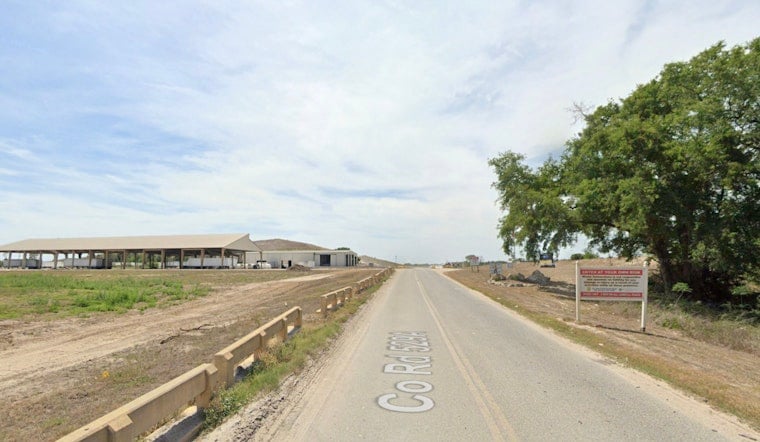
Miami-Dade County is getting ready to load thousands of tons of its garbage onto trains and send it north, straight into Central Florida. Under a long-term deal, roughly 4,800 tons of trash a week, close to 250,000 tons a year, will roll into the Heart of Florida Landfill in Sumter County. That plan requires a new rail spur at the landfill and has already stirred up anger in nearby rural communities that say they are being asked to solve a big-city problem.
According to Miami-Dade County records, the shipments are locked into a Third Amended agreement with Waste Connections of Florida that runs through Oct. 1, 2035, with two additional 10-year renewal options on the table. The county is required to deliver 4,800 tons per week in intermodal containers to the Heart of Florida site and, once rail service begins, will pay a transfer and disposal fee of $72.25 per ton.
Bushnell Residents Say It's Not For Their Benefit
Neighbors in Bushnell and Lake Panasoffkee say they did not find out about the trash trains until after the plan was in motion, and they are not thrilled to be hosting Miami's garbage. They worry about what this will mean for day-to-day life: more odors, more trucks, more trains and a hit to property values.
As WESH reported, resident Debra Arcus summed up the concern in simple terms: “I don’t see how it couldn’t smell,” she said. Others argue that Miami-Dade’s reliance on a Central Florida landfill feels like the county is offloading its own waste crisis onto a much smaller community.
Leachate, Odors And A Controversial Well
Even before Miami’s trash enters the picture, the Heart of Florida Landfill has been on the radar for odor issues and how it handles leachate, the contaminated liquid that drains from waste. Sumter County presentations and permitting files show the site has been the subject of persistent complaints over smells and the way it manages that liquid.
Sumter County documents show the landfill received a Florida DEP exploratory injection-well permit in March 2025 and began drilling later that year. The project has drawn inspections and public pushback tied to both odor problems and leachate handling, adding another layer of local unease as more outside waste is slated to arrive.
Why Miami-Dade Is Shipping Trash North
This trash train deal traces back to a single flashpoint: a February 2023 fire that knocked Miami-Dade’s Resource Recovery Facility in Doral offline and slashed the county’s local disposal capacity. With that facility disabled, Miami-Dade had little choice but to start sending waste out of county by rail and truck.
As WLRN reported, the county has already spent tens of millions of dollars hauling trash north and has relied on other counties’ landfills as a stopgap while it weighs long-term options. The Heart of Florida Landfill is the latest piece in that patchwork solution.
Officials And The Policy Angle
Miami-Dade officials say their priority is straightforward: lock in reliable, permitted disposal capacity for nearly 3 million residents so garbage collection does not grind to a halt. At the same time, they insist they are looking beyond temporary fixes and studying what the county’s long-term waste system should look like.
Local reporting and county comments say the administration is reviewing multiple proposals, including a joint financial pitch from Florida Power & Light and FCC Environmental Services that would handle a significant portion of the county’s waste using non-combustion methods, according to WESH. That larger debate over technology and location is still playing out while the rail shipments move ahead.
What To Watch Next
The Third Amendment with Waste Connections guarantees Miami-Dade a delivery floor of about 249,600 tons of garbage a year to the company’s intermodal facility. That commitment is expected to remain in place until a new waste-to-energy project comes online. County officials say the obligation can be adjusted once a new waste-to-energy facility is operational, but until then, the trains will keep running.
Miami-Dade County records outline the timeline, costs and reporting rules and show the county will track deliveries as rail operations ramp up. Much now depends on Waste Connections finishing its planned improvements and the landfill completing its rail spur so the system can function at full scale.
For residents along the route, that means more trains and more trucks in the near term while Miami-Dade sorts out its long-range plans. Community members and local leaders say they intend to press regulators and elected officials for tighter oversight as the first loads of Miami trash roll into Bushnell’s backyard.





