

























































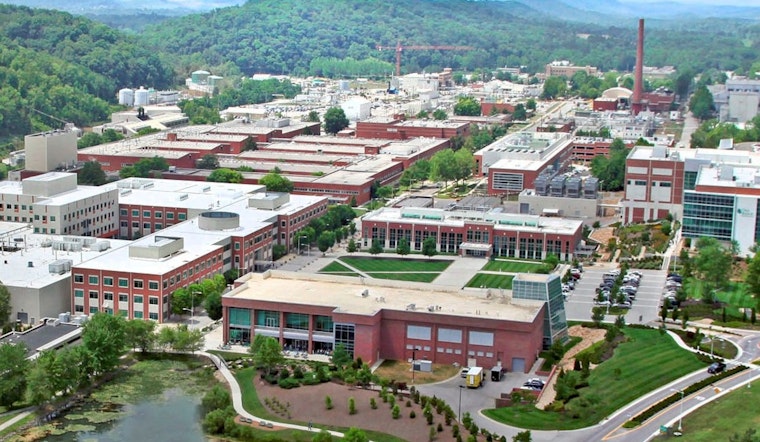
President Trump’s fiscal 2027 budget would carve roughly $354 million out of Oak Ridge National Laboratory’s topline, cutting the lab’s total from about $2.2 billion to roughly $1.86 billion. That is about a 16 percent hit to the lab’s current budget, shifting money away from several research and construction programs at the Oak Ridge campus.
The Knoxville News Sentinel first flagged the administration’s request on April 17 and walked through what it could mean on the ground in East Tennessee. The local report noted that the plan pairs cuts to some Office of Science funding lines with increases in certain defense-focused activities tied to the Oak Ridge complex.
What the DOE tables show
Department of Energy laboratory tables spell out the numbers in black and white: ORNL’s total would fall from $2,214,555 (FY 2026 enacted, in thousands) to about $1,860,364 under the president’s FY 2027 request. That is a decline of roughly $354,191,000.
The DOE tables list program moves such as eliminating the HFIR pressure-vessel replacement project, imposing steep cuts on U.S. contributions for ITER and other fusion-construction lines, trimming portions of basic energy sciences and forensics research and development, and adding more than $8 million for nonproliferation stewardship funding. The same spreadsheet shows similar hits across the lab system, including about a $155.8 million reduction at Argonne and roughly a $79 million decrease for Idaho National Laboratory.
Local impact
ORNL is one of East Tennessee’s heavyweight science employers. The lab’s own materials say it has more than 7,000 staff and hosts thousands of visiting researchers each year. ORNL also points to a broad network of contractors and university partners that depend on lab projects, so shifts in specific programs can ripple through local supply chains and campus collaborations even if the lab’s core operations keep humming.
Where it goes next
The White House budget request is a starting gun, not the finish line. Congress writes the actual spending bills and frequently rewrites presidential blueprints. AP notes that the FY 2027 outline leans into defense and new AI and supercomputing investments, priorities that help explain why some non-defense science accounts ended up on the chopping block in the DOE tables.
Local officials, contractors and university partners around Oak Ridge will be tracking the appropriations fight closely as lawmakers pore over the DOE numbers and consider changes. Knoxville News Sentinel and the DOE documents show where the administration wants the money to move, but the real-world consequences for particular projects or jobs will not be clear until Congress finishes writing the final bills.





