

























































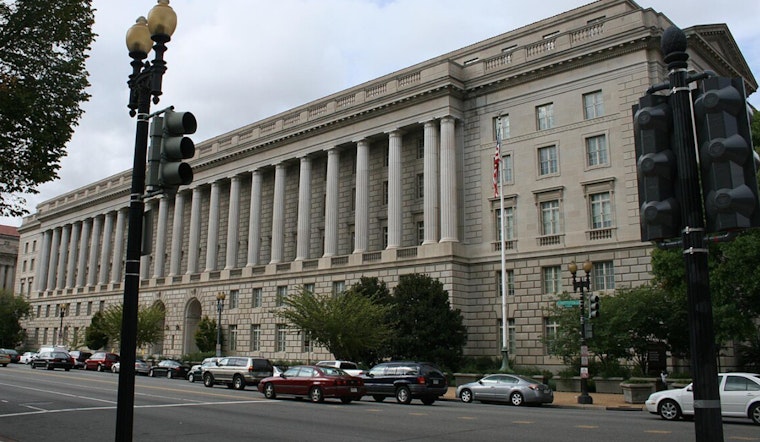
President Donald Trump’s $10 billion lawsuit against the Internal Revenue Service is hitting pause, at least for now. Lawyers for the president, his sons and the Trump Organization joined government attorneys on Friday in asking a federal court to put the sprawling case on hold for 90 days while they see if they can work out a deal.
The suit claims the IRS allowed unauthorized disclosures of Trump’s tax records in 2019 and 2020 and seeks at least $10 billion in damages. In a joint filing, the two sides told the court that a brief timeout would “neither prejudice the parties nor delay ultimate resolution” and might help “narrow or resolve the issues efficiently,” according to Reuters. In other words, they are asking for breathing room to negotiate before jumping back into a very expensive fight.
Why the Pause Matters
Behind the dry procedural language is a messy ethical snag for the Justice Department. Normally, DOJ’s job is straightforward: defend federal agencies like the IRS. Here, the president himself is suing the agency that sits inside his own executive branch, and that puts government lawyers in an awkward spot.
That tension has already pulled in watchdog groups filing friend-of-the-court briefs and sparked detailed coverage about whether the government can aggressively defend the IRS when the boss is the plaintiff, according to The Washington Post. A 90-day timeout could give DOJ more room to sort through those conflict-of-interest questions while talks quietly proceed in the background.
How the Leak Unfolded
At the center of the lawsuit is an admitted theft. Prosecutors say former IRS contractor Charles Edward Littlejohn stole tax data and passed it to reporters in 2019 and 2020. Littlejohn pleaded guilty and drew a five-year prison sentence, according to AP.
The data fueled major investigative work, including The New York Times’ 2020 reporting that Trump paid $750 in federal income tax in 2016 and 2017. The complaint argues that coverage built on the leaked records caused both reputational and financial damage.
What Comes Next
The joint request gives the court a simple choice: grant a 90-day pause for potential settlement talks or keep the case moving on its current track. For now, the judge has not ruled, so the litigation technically remains active while everyone waits to see if the timeout is approved.
Trump has publicly said that if he wins money from the case, he would not keep it. “I think what we’ll do is do something for charity,” he told reporters in February, a detail noted by Reuters. Outside this fight with the IRS, his broader run of multi-billion-dollar lawsuits has not gone smoothly. A separate $10 billion libel suit targeting The Wall Street Journal was tossed on April 13, according to Bloomberg.
Legal Implications
If there is a settlement, one key question looms: who foots the bill. Any payout would likely come from public funds, which raises obvious political and legal stakes when the claimant is a sitting president. Ethics groups have urged judges to look closely at any resolution and at how the Justice Department defends the IRS it is supposed to represent, according to reporting by AP.
For now, the development is narrow but significant. The parties have formally asked for a timeout to talk settlement, and everything hinges on whether the judge grants it. If the stay is approved, the next three months could either shrink the case, end it entirely or send it right back onto the docket for a full-blown court battle.



