

























































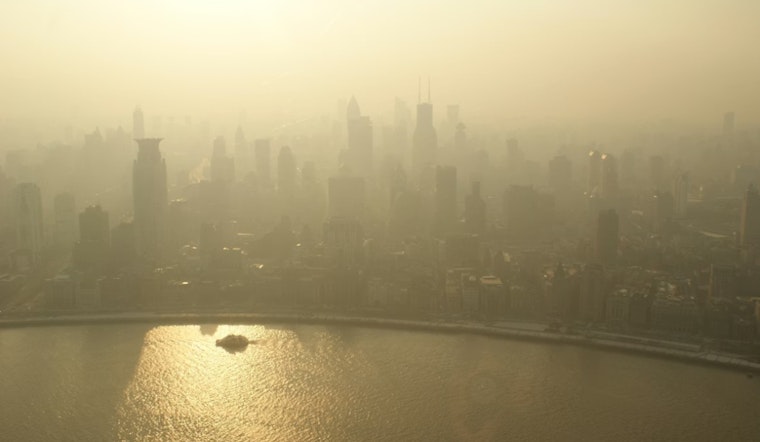
Eight Oklahoma counties just flunked the American Lung Association's latest air quality scorecard, with Tulsa County logging the worst ozone exposure in the state across the 2022–2024 reporting period. The failing grades cut across both metro and rural areas, putting a spotlight on everyone from city commuters to farm workers. The report lands right as ozone season ramps up, raising the stakes for children, outdoor workers and older adults.
Counties That Failed The Smog Test
According to the American Lung Association's State of the Air 2026 data, eight Oklahoma counties received F grades for ground-level ozone: Canadian, Cleveland, Comanche, McClain, Oklahoma, Osage, Pittsburg and Tulsa. Tulsa County averaged 11.3 unhealthy ozone days per year and recorded 28 “orange” ozone days and four “red” ozone days during 2022–2024. McClain and Oklahoma counties also logged double-digit orange-day totals that pushed them into failing territory.
The grades are based on monitored 8-hour ozone highs across the three-year period used in this year's ranking, as detailed by the American Lung Association.
How Oklahoma Stacks Up Nationally
Oklahoma is far from alone in its smog troubles. Nationwide, ozone and particle pollution remain widespread, with more than 129 million people living in counties that received failing ozone grades and roughly 152 million people living in places that failed at least one air-quality measure, according to ABC News.
Closer to home, The Oklahoman pulled out the Oklahoma highlights from the American Lung Association's report, noting the Tulsa–Bartlesville–Muskogee metro area's national ozone ranking and tying individual county grades to the wider metro score.
Health Warnings And Calls For Action
Public health advocates are treating the report cards as more than just bad grades. “Clean air is essential to the health and wellbeing of families across Oklahoma. Children deserve to breathe air that won’t make them sick,” Charlie Gagen, director of advocacy for the American Lung Association, said in the group's state release.
The organization's Oklahoma materials push for stronger local and federal policies to cut ozone-forming emissions and better protect vulnerable groups, according to the American Lung Association.
Local Response And How To Protect Yourself
Central Oklahoma operates an Ozone Alert notification system that asks residents, businesses and industry to voluntarily scale back ozone-forming activities on high-risk days. The Association of Central Oklahoma Governments offers tips such as limiting vehicle idling, shifting errands and refueling to after dusk.
The Oklahoma Department of Environmental Quality is working through its Air Quality Advisory Council on rule updates and posts agendas and related materials for public review. Health officials advise residents who are sensitive to poor air to sign up for local Ozone Alerts, check daily forecasts at AirNow and avoid strenuous outdoor activity on orange and red days.
The American Lung Association's latest report delivers a blunt snapshot of where Oklahoma stands as ozone season approaches, and its county-by-county grades give regulators and local leaders a clear priority list. The focus now turns to what steps follow to cut ozone days and shield at-risk Oklahomans from the worst of the smog.





