

























































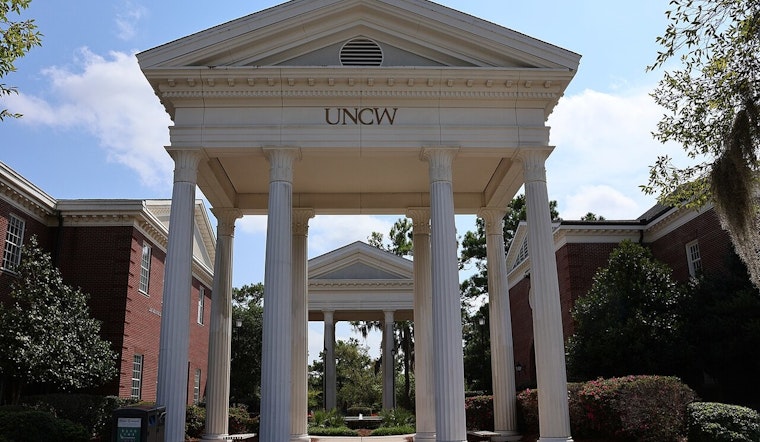
UNC Wilmington is making its move to tackle the doctor shortage in southeastern North Carolina, asking the UNC System Board of Governors this week for permission to start planning a four-year medical school with an optional three-year accelerated track aimed squarely at primary care.
Instead of centering training around a single teaching hospital, Chancellor Aswani Volety told board members the proposed school would be built on a web of clinical placements across hospitals, clinics and federally qualified health centers throughout the region. Trustees received the pitch as an informational item on Wednesday, and UNCW is now seeking the green light to shift from big idea to formal planning.
Volety laid out the proposal before the Board’s educational planning committee, describing a "nontraditional" model designed to keep graduates close to home rather than watching them scatter to bigger metros. Committee members did not vote on the idea, but several voiced strong support for letting UNCW take the next step, according to WUNC.
What UNCW Is Proposing
UNCW is pitching a four-year MD program with an optional three-year path and a heavy emphasis on primary care, according to Port City Daily. Instead of pouring money into a stand-alone teaching hospital, the university would lean on a network of clinical training sites across southeastern counties, from major hospitals to small community clinics.
To get there, Volety said UNCW would need to hire a founding dean, complete an intensive self-study and work through the medical-school accreditation process before it can enroll its first class. In other words, this is not a quick flip of the switch.
Why the Region Needs It
North Carolina is staring down a sizable doctor gap by 2030. The Cicero Institute estimates the state could be short about 7,725 physicians, with the sharpest primary-care gaps in rural communities and rapidly growing coastal counties.
For students in Wilmington who want a traditional four-year medical education, the closest option right now is East Carolina University in Greenville, more than two hours up the road. UNCW leaders and local officials argue that if students can train and complete clinical rotations across southeastern North Carolina, they are far more likely to stay put as practicing physicians and help cut long waits for basic appointments.
Funding And Local Partners
UNCW is not starting from zero on the money front. Trustee Yousry Sayed and his wife pledged $25 million last year to expand healthcare and teacher-education programs, the university says in its announcement. That gift has become a cornerstone in UNCW’s broader push into health professions.
The university is also lining up healthcare partners across the region. Novant Health has already emerged as a major collaborator on workforce efforts and is among the local systems being courted for clinical training slots. University leaders told the Board they are seeking a nine-figure philanthropic anchor to help cover the significant start-up costs of launching a medical school.
Next Steps And Timeline
If the Board of Governors authorizes formal planning in May, UNCW would move quickly to recruit a dean, initiate a full self-study and begin the long accreditation march that every new medical school has to survive. Officials estimate it could take about seven to eight years before the first class crosses the graduation stage.
Even so, the university has floated a more optimistic scenario, suggesting it could enroll its inaugural class as early as August 2029 if planning and accreditation fall into place faster than usual, per Port City Daily. Any accelerated timeline would still bump into a familiar bottleneck: creating enough residency positions and building incentives strong enough to keep new doctors rooted in southeastern North Carolina.
What This Could Mean
Volety did not sugarcoat the stakes for the Board, saying, "The best time to tackle any problem like this was yesterday," according to the News & Observer. If the Board signs off in May, UNCW will enter a years-long planning stretch that could ultimately reshape how and where residents of southeastern North Carolina get basic medical care.





_176.jpg)