

























































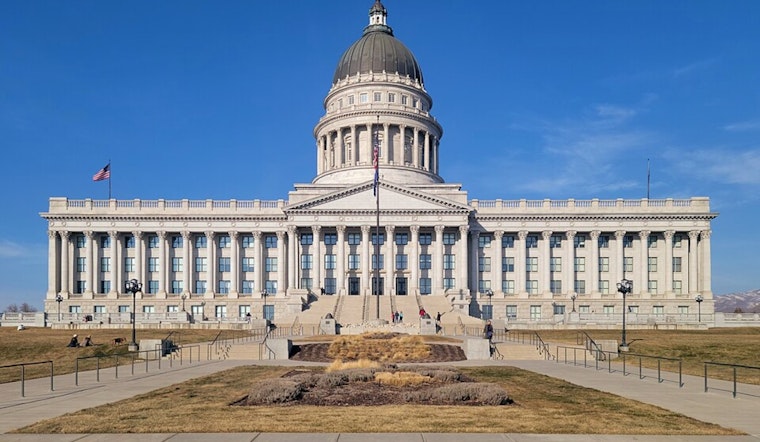
Advocates across Utah say the 2026 legislative session all but whiffed on the state’s cost-of-living crunch, leaving housing and health care problems largely intact. While lawmakers leaned on targeted, supply-side fixes, renters and low-income families who were hoping for immediate relief say they walked away with little that helps them right now. For residents juggling rent, medical needs and rising monthly bills, the stack of bills that cleared the Capitol felt like too small a patch on a widening hole.
Lawmakers did carve out about $10 million for the state’s First-Time Homebuyer Assistance Program, according to the funding list from the Executive Appropriations Committee. The catch: the aid is tied to purchases of new construction rather than resale homes, which sharply narrows who can actually use it, according to reporting on state programs and mortgage guides from The Mortgage Reports. Critics argue that setup funnels public dollars toward builders instead of expanding options for current renters and first-time buyers trying to break into the market.
West Jordan real-estate broker and Democratic House candidate Rod Moser told Utah Public Radio that lawmakers had several chances to deliver real help and that "none of those passed." Moser warned the state is still staring at a serious shortage of affordable rental units and said recent policies remain tilted toward investors rather than the people trying to live in those properties.
Medicaid contingency passed, advocates still worried
The Legislature did approve a Medicaid contingency bill this session, H.B. 15, intended to act as a backstop if changes in the federal budget cut into Utah’s Medicaid funding. The move is laid out in the bill text published by the Utah Legislature. Advocates acknowledge it adds a layer of protection, but they argue it is an imperfect buffer that may not fully shield families who rely on Medicaid for basic medical care.
Long-term housing tools, short-term relief missing
On housing, lawmakers largely went with long-game strategies. They backed a new infrastructure loan program designed to unlock stalled projects and approved a reorganization that consolidates scattered housing programs into a single office, moves that have been tracked in session bill monitors and local coverage. The thinking is that these tools will help increase the housing supply over time. But they are not likely to push rents down in the near term, a point highlighted in reporting from Citizen Portal.
Advocates vow to keep pressure
Community organizers say that taken together, the session left too many families exposed to rising costs. Lynette Taylor, a volunteer with United Today, Stronger Tomorrow, told Utah Public Radio, "If we were to lose Medicaid or there were cuts to Medicaid in any way, we would be sunk." Advocates also pointed to a slate of consumer and worker protections that did not make it across the finish line this year, including proposals to limit noncompete agreements for lower-paid workers, crack down on so-called "junk fees" and tighten pricing transparency, as laid out in session reporting.
Organizers say they plan to keep the pressure on. Their message heading into the next session: pair those long-term supply investments with renter protections and clear consumer rules, or the cost-of-living crisis will only deepen. Both sides now head into a politically charged summer, with advocates already mapping out campaigns to turn this year’s disappointments into next year’s priorities.





