

























































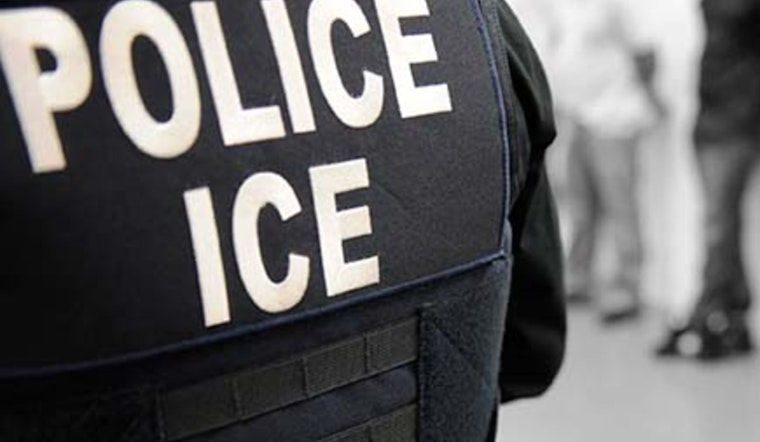
A crowd-sourced map and volunteer hotline are reshaping how Phoenix-area residents see Immigration and Customs Enforcement activity across the metro. Community groups say public alerts now routinely flag agents at worksites, courthouses and neighborhood streets, and that many residents in heavily Latino areas are so worried they are second-guessing basic routines like going to work or school. Organizers say the pattern has fueled the growth of rapid‑response networks, with the map and alerts designed to give neighbors verified information about where agents are active so people can make safer choices in real time.
Based on confirmed community alerts, more than 100 ICE sightings around the Valley have been publicly reported since the start of the administration, with clusters in central Phoenix and the West Valley, including Tolleson, Maryvale, Glendale, Peoria and north Phoenix, according to Phoenix New Times. “Last year was already a tough year for our district,” Democratic Rep. Yassamin Ansari told Phoenix New Times, a concern echoed by organizers who help verify the sightings.
Federal funding and capacity
Immigrant-rights organizers link the apparent spike in local enforcement to national policy and budget decisions. The 2025 reconciliation package, widely nicknamed the “One Big, Beautiful” bill, included roughly $75 billion in supplemental money for immigration enforcement and detention capacity. That influx of cash, experts told PBS NewsHour, materially expanded ICE’s ability to staff up and detain people, which advocates say is now showing up on the ground as more interior operations.
Federal pressure, local fallout
Advocates also point to a late May push from White House advisers urging ICE to sharply increase arrests nationwide, a drive to lift arrest numbers first reported by Axios. Local organizers argue that fresh field guidance, layered on top of new funding, has translated into more aggressive tactics in neighborhoods, workplaces and even immigration-court corridors. Community groups say they have been scrambling to document those shifts in real time while trying to respond when people are picked up.
How sightings get verified
To keep rumors from spiraling, volunteers run a “Migra Watch” verification line and a social feed that only posts confirmed, active sightings. According to Phoenix New Times, organizers say they have trained thousands of volunteers to staff the hotline, reporting that the network has trained more than 3,000 people. They say a typical alert takes about five minutes to vet before going public. Call-takers ask for cross streets, vehicle descriptions and whether the caller is an eyewitness, steps meant to filter out unrelated police activity and online chatter.
Operations that stand out
Community groups point to several especially visible operations as examples of what residents are encountering. Those include a heavily militarized arrest in Sunnyslope and large worksite sweeps in the San Tan Valley area. Local reporting and community monitors also documented a case in which a DACA recipient was detained on Christmas Eve, coverage that appeared on Arizona's Family, underscoring how enforcement can reach people with protected or complicated immigration statuses.
Legal context and what residents can do
Civil-liberties groups note that documenting and sharing enforcement activity in public spaces is generally protected speech, and organizers encourage people to observe safely without interfering, often pairing that advice with know-your-rights trainings. The ACLU of Arizona stresses that people may record public police and federal activity as long as they do not obstruct officers. Community groups urge residents who think they are seeing ICE activity to call local rapid‑response lines rather than confronting agents directly. On the ground, organizers say, the priorities are verifying what is happening, ensuring there are witnesses and connecting anyone detained with legal support and consular help when possible.





