

























































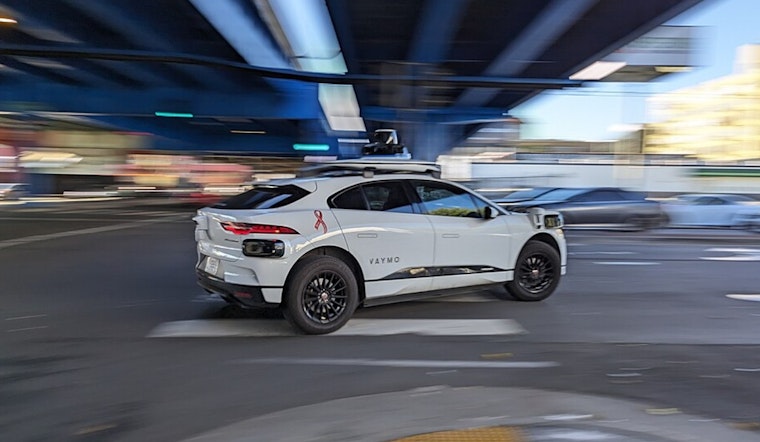
Waymo is turning its driverless fleet into roaming pothole detectors and says it will hand that intel to cities as it gears up for driverless rides in San Diego later this year. The company is tying its mapping technology to a steady civic data feed that could help cities spot chewed-up pavement much faster.
Waymo and Waze have launched a data-sharing pilot that pipes the robotaxi fleet’s road-condition observations into the Waze for Cities platform, with an initial focus on Austin, Atlanta, Los Angeles, Phoenix and the San Francisco Bay Area. The pilot has already flagged roughly 500 potholes in those markets, according to TechCrunch.
In San Diego, Waymo told local outlets its vehicles can spot potholes using motion-control and other onboard vehicle sensors, and the company says it will feed that data to the city once its driverless ride service launches here. CBS 8 reports San Diegans have already logged more than 6,000 pothole complaints this year, and that city crews usually take about 10 days to fix a reported crater. One local driver, Calen Mallory, told CBS 8 she has racked up about six flat tires after tangling with rough pavement.
Why San Diego cares
Waymo has said it plans to launch publicly in San Diego later in 2026 and is already testing on local streets and freeways, according to NBC 7 San Diego. The timing is touchy, as rideshare drivers and unions are pushing back and raising questions about safety rules, local oversight and how autonomous fleets should be regulated once they start picking up paying passengers.
How the feed could speed repairs
Waymo argues that a mix of lidar, cameras, radar and vehicle-motion data lets its cars build a constantly updated map of pavement problems that cities can plug into their maintenance workflows. The company is offering that feed into Waze for Cities as a relatively low-cost way to help prioritize repairs, TechCrunch reports. Advocates quoted by TechCrunch called the move a "good neighbor" gesture that can help cities fill reporting gaps and zero in on the worst damage faster.
What to watch next
All eyes will be on whether San Diego Public Works folds Waymo's data into its 311 system and repair queue, and whether average fix times dip below the roughly 10-day window the station reported. Waymo says the data will be available once it opens its driverless service here, and city officials will have to figure out how to plug a new stream of machine-generated pothole reports into an already busy workflow.



