

























































Chilling voicemails and live phone calls, including people shouting "We're coming for you," have flooded the offices of New England members of Congress, exposing the constant intimidation their staffers now field. The audio, gathered and published Wednesday by the Boston Globe, offers an unvarnished listen to what staff screen every day: obscene, explicit death threats and repeated promises of violence.
As reported by The Boston Globe, reporters asked New England lawmakers' offices for recent examples and posted multiple recordings, ranging from profanity-laced hang-ups to callers promising arson or murder, that offices say now arrive almost daily. The compilation includes messages left for both Democratic and Republican offices, according to staff who shared the audio with the paper.
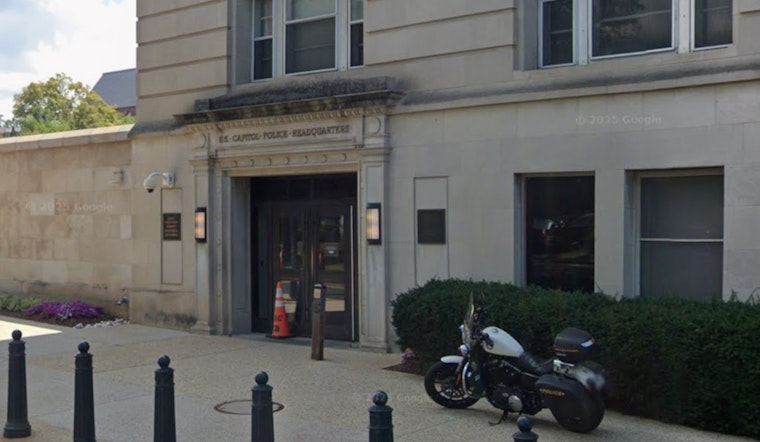
Those local accounts track with a national trend: the U.S. Capitol Police say its Threat Assessment Section investigated 14,938 "concerning statements, behaviors and communications" in 2025, an increase from prior years. Per a press release from the U.S. Capitol Police, the reports arrive by mail, email, telephone and social media and have pushed the department to deepen partnerships with state and local law enforcement.
The surge has unfolded alongside violent incidents that go beyond menacing calls. A man sprayed an unknown substance at Rep. Ilhan Omar during a Minneapolis town hall in late January, an episode covered in detail by AP News, which also noted the timing of the Capitol Police figures. The attack highlighted how quickly online or phoned-in threats can spill into real-world danger for lawmakers and staff.
Earlier that month, Florida Rep. Maxwell Frost said he was punched at a Sundance Film Festival event after an assailant allegedly yelled racist and deportation threats. Police arrested a suspect and prosecutors reviewed potential hate-crime enhancements, according to reporting from The Washington Post, underscoring how heated rhetoric can escalate into actual violence.
For staffers in New England, the daily reality is both tedious and unnerving. Offices told The Boston Globe that some callers return in waves, forcing teams to spend hours logging threats, screening phone lines and, at times, altering schedules or locking office doors. "You used to get angry people; now it’s often threats," one staffer told the paper.
What the law says
Making a true threat against a federal official can be prosecuted under federal law, and courts have long distinguished threatening rhetoric from protected political speech. For example, 18 U.S.C. § 871 criminalizes knowingly and willfully making threats against certain federal officers and carries potential prison time, per the Legal Information Institute. The U.S. Capitol Police say they have detailed prosecutors and work with U.S. attorneys to pursue serious cases.
The Globe’s audio makes the problem impossible to miss: what once might have been a heated call is increasingly explicit danger, and staffers say they now treat hostile communications as potential evidence. For New England offices, that means more time devoted to safety and less to constituent services, a quiet but significant cost of the heightened threat environment that national data now clearly reflects.


