

























































Part of the TraPac container terminal in Wilmington turned into a hazmat hot zone on Friday after firefighters discovered a 40-foot shipping container actively off-gassing, prompting a rapid response inside the Port of Los Angeles complex.
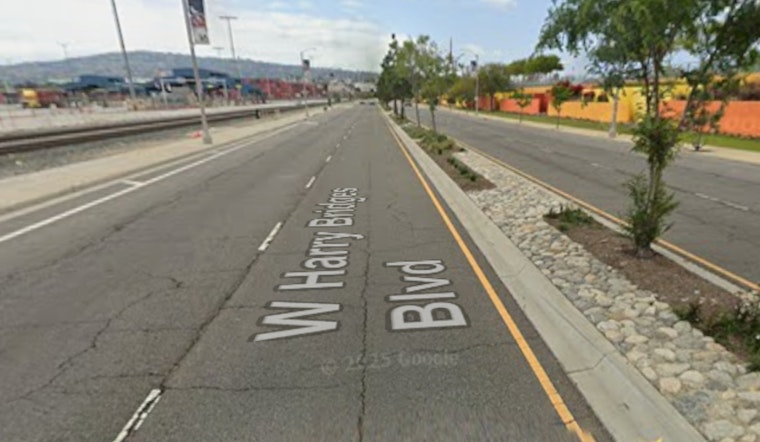
Hazardous-materials crews sealed off the area at 920 W Harry Bridges Boulevard while they checked the air, scrutinized container markings, and set up a safety perimeter around the scene.
According to LAFD, the incident, logged as INC#0474, was reported at about 4:34 p.m. UTC on April 3, 2026. Units from Fire Station 49 and specialized HazMat teams responded, confirming the type of product via placards while running air-monitoring checks. The department’s alert listed multiple battalion, rescue, and technical units among those dispatched.
The working address, 920 W Harry Bridges Blvd, is the Wilmington terminal of TraPac, a major container-handling hub in the harbor, per TraPac. Facilities of this size move massive amounts of imported cargo that can arrive fumigated or packed with materials prone to off-gassing, which is why specialized hazmat resources are routinely staged in and around the port.
What Off-Gassing Means
Off-gassing is the release of volatile chemicals from cargo, packaging, or fumigants that build up inside sealed containers and can create serious health risks for anyone opening them. Research and federal assessments have documented fumigants and solvents lingering in container atmospheres and the acute dangers they pose, according to guidance from the EPA and a study in Annals of Work Exposures and Health. Standard practice is to test and ventilate containers before entry, which is why hazmat teams lean so heavily on placard checks and air-monitoring gear once they roll up.
Past Responses Around Harry Bridges
Wilmington’s waterfront has seen this drill before. In December 2024, crews handled a dislodged drum leaking a flammable substance at 940 W Harry Bridges Boulevard, a case detailed in a December 2024 hazmat response on Harry Bridges. The LAFD alert archive shows regular hazmat calls in the harbor whenever containers, tankers, or trucks report leaks or suspicious vapors, a pattern that explains why first responders lock down these areas until placards and air tests spell out the actual risk.
Per the initial department alert, crews at TraPac were still confirming the container’s contents and monitoring air quality, and no further details had been released. The scene remained active as testing continued and authorities kept the area restricted to safeguard port workers and the public.




