

























































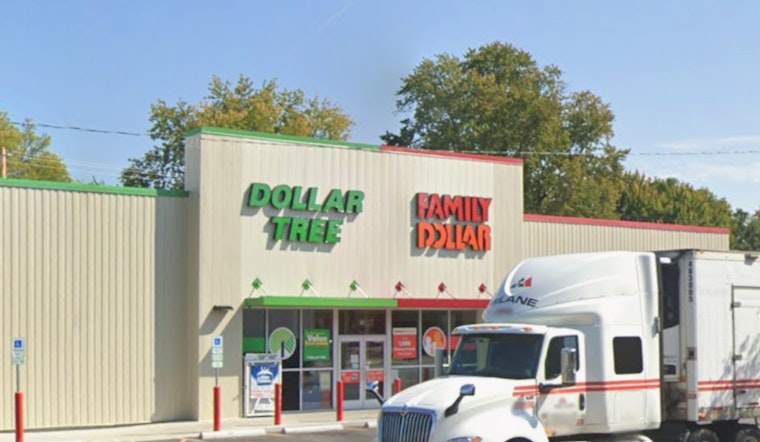
Since last summer, Ohio has quietly lost 28 Family Dollar stores, trimming the discount chain’s footprint in the state by about 7 percent and leaving fresh retail gaps from Columbus to Cleveland. For many neighborhoods, that means one less nearby place to grab pantry basics, cleaning supplies and last-minute essentials.
According to The Columbus Dispatch, the 28 closures since July 2025 amount to roughly 7.1 percent of Family Dollar’s Ohio locations. The paper lists affected stores across Columbus, Cleveland, Cincinnati, Toledo and Youngstown, and reports that the pullback is part of a broader restructuring that followed the chain’s sale last year.
How Big the Nationwide Pullback Is
Ohio’s cuts are one slice of a much larger national retrenchment. A separate tracking analysis found that about 350 Family Dollar locations disappeared from the company’s online store locator between July 2025 and mid-May 2026. A report from TheStreet summarizes that Local Falcon analysis and notes that Texas led the nation with roughly 35 closures, as the company pruned locations across most of the country.
Why the Chain Is Cutting
The wave of shuttered storefronts follows Family Dollar’s sale to private buyers and a push to close underperforming outlets. Dollar Tree’s SEC filings state that the company completed the sale of Family Dollar to 1959 Holdings on July 5, 2025, for about $1.0075 billion, and then treated Family Dollar as discontinued operations. The deal included transition services and lease guarantees covering hundreds of stores, according to Dollar Tree.
What Family Dollar Says
Company leaders insist the store closures are part of a planned overhaul rather than a retreat from the bargain-retail game. In a March press release highlighting what it called "strong fiscal-2025 performance," Family Dollar said it is testing new extra-small store formats and winding down locations that are not pulling their weight. "Over the past year, we've taken disciplined actions to strengthen the foundation of Family Dollar," CEO Duncan McNaughton said in the release, according to PR Newswire.
What It Means for Ohio Neighborhoods
Retail analysts caution that when a dollar store disappears, it can leave more than an empty sign and a darkened parking lot. Closures often mean fewer nearby low-cost options and fewer local jobs, especially in neighborhoods that already have limited retail choices. Experts quoted in TheStreet’s coverage of the Local Falcon data said some Family Dollar locations had effectively been the only retailer in their immediate area, so losing them can deepen food-access and convenience gaps.
How to Check Your Local Store
Shoppers and neighborhood groups trying to keep tabs on what is open and what is gone will need to do a bit of homework. The official store locator on Family Dollar’s website lists current locations and hours at Family Dollar. Local landlords and municipal permit records can also show whether a closed store is being marketed for lease, slated for a new tenant or potentially headed toward a long-term vacancy.
For now, the picture in Ohio is a smaller, but still significant, Family Dollar presence, with more change likely as the chain finishes its transformation. City officials, neighborhood advocates and landlords will be watching closely to see which empty boxes refill with new grocers or retailers, and which corners of the state are left waiting for a replacement that never quite materializes.


