

























































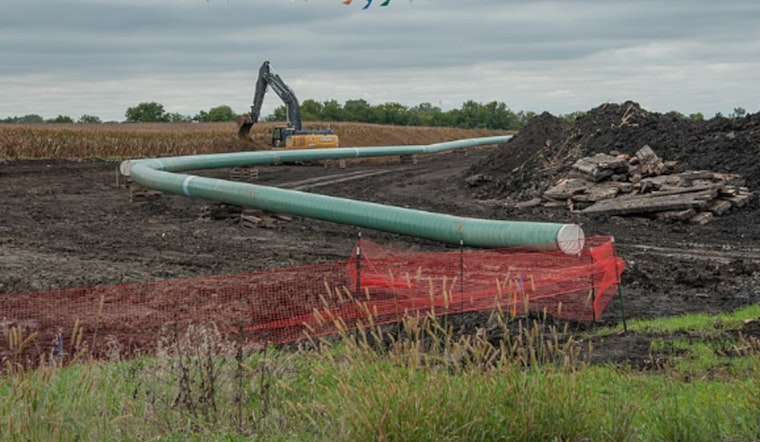
The U.S. Army Corps of Engineers has signed off on keeping the Dakota Access Pipeline flowing under Lake Oahe, nearly a decade after the Standing Rock protests turned the project into a national flashpoint. The move keeps oil moving under the Missouri River while layering on new leak-detection and groundwater-monitoring rules that federal officials say will better protect drinking water. It also ends years of regulatory limbo and, just as quickly, tees up the next round of court battles and political brawls.
According to The Associated Press, the Corps attached conditions that include upgraded leak-detection systems, expanded groundwater and surface-water monitoring, and an independent third-party review of those detection systems. Officials said they studied a slate of options, from rerouting the crossing to shutting it down entirely, and landed on the path they say best balances public safety with environmental protection.
Final EIS and the Corps' analysis
The Corps' Omaha District released its Final Environmental Impact Statement on December 19, 2025, laying out five alternatives for the Lake Oahe crossing and naming a preferred option that would reinstate the easement with extra safeguards. That FEIS triggered a 30-day National Environmental Policy Act waiting period that wrapped up in January, clearing the procedural runway for this week’s decision.
Tribal leaders say the review falls short
Leaders of the Standing Rock Sioux Tribe and tribal water officials say that the thick stack of analysis still misses the heart of the issue. They argue the final review does not fix longstanding worries about treaty rights, sacred sites, or the safety of the tribe’s drinking water, and they are already preparing to keep fighting in court, tribal officials told ICT News. Tribal representatives have repeatedly pushed for stronger consultation and more access to sampling data, and the tribe formally rejected parts of the FEIS earlier this year.
Industry reaction and next steps
Pipeline owner Energy Transfer welcomed the Corps' decision, saying the line has operated safely for years and thanking the agency for finally wrapping up the review, the AP reported. That same report noted that Energy Transfer and Enbridge are floating an early-stage plan to move about 250,000 barrels per day of light Canadian crude through Dakota Access using a roughly 56-mile connector. Enbridge is expected to decide sometime in mid-2026 whether to push that project forward.
Capacity, costs, and regional impacts
Since it began commercial service in mid-2017, Dakota Access has carried large volumes of Bakken crude to Midwest terminals. Company filings and past press releases put the system’s original shipping commitments and project price tag firmly in the billions. Energy Transfer’s investor presentations and company newsroom describe the pipeline’s route, its roughly mid-hundreds-of-thousands of barrels per day in contracted volumes, and the multibillion-dollar outlay behind the project, a reminder of why operators warn that shutting it down would upend regional crude flows.
Legal fallout to watch
The Corps' latest signoff does not close the legal books. Courts previously tossed out earlier approvals in a 2020 ruling and ordered a deeper environmental review, and judges and appeals panels have weighed in on various pieces of the project over the years, according to reporting by Reuters and energy-policy outlets. Observers expect the Standing Rock Sioux Tribe and allied groups to keep pressing treaty and environmental claims, while Energy Transfer gears up to defend continued operations.
The new Record of Decision wraps up one chapter in the long Dakota Access saga at Lake Oahe, but it almost certainly starts another in federal court and in state capitols. Expect fresh filings, appeals, and political scrutiny in the weeks ahead as tribes, companies, and federal agencies square off over water, cultural resources, and the future of a major piece of energy infrastructure.





