

























































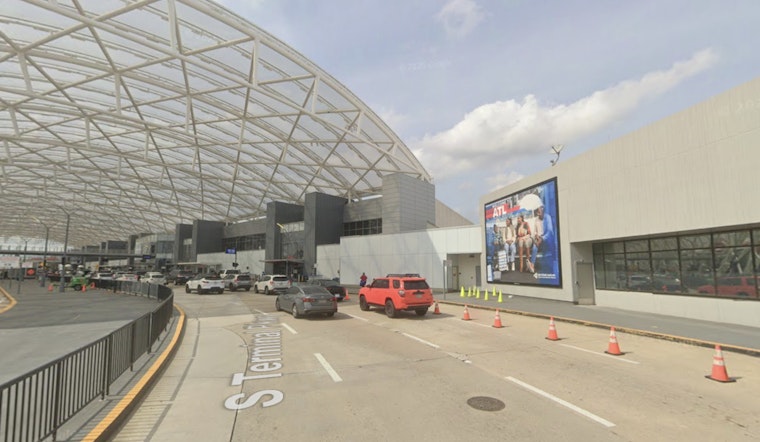
At Hartsfield‑Jackson, grabbing a quick snack can feel like taking a direct hit to the wallet. Bottled water, basic sandwiches and last‑minute souvenirs are ringing up with classic airport markups, and now a flood of photos and receipts is raising a bigger question: are some of those extras and add‑ons actually allowed under the rules?
With millions of people streaming through ATL each year, even a small undisclosed fee or price mismatch can turn into a serious headache for travelers, and a serious issue for the city.
WSB‑TV Puts Receipts Under the Microscope
On May 7, 2026, WSB‑TV's "2 Investigates" team dug into whether some Hartsfield‑Jackson concessionaires are stepping over the line on pricing. As reported by WSB‑TV, the investigation highlighted automatic gratuities and situations where posted prices did not match what customers were charged at checkout, leaving travelers surprised and more than a little irritated.
What the Rulebook Actually Says
Atlanta's Department of Aviation spells out how airport shops are supposed to behave in a publicly available compliance manual that covers pricing, signage and which charges are off‑limits. According to the ATL Concessions Compliance Manual, concessionaires "are not permitted to add a tip, gratuity or similar charge" except in limited table‑service situations, and the price that rings up at the register is required to match what is posted on the shelf or menu.
The manual also gives the Department of Aviation's Concessions Management team the authority to review and approve price changes before items are offered for sale, putting the airport on the hook for making sure vendors do not quietly creep prices upward without oversight.
Why Those Dollars Add Up Fast
Concessions are not pocket change at ATL. The airport's FY2026 rates and charges book projects about $69.85 million in food‑and‑beverage revenue and roughly $129.9 million in total inside‑concessions revenue. At that scale, even a minor discrepancy or unauthorized fee can ripple across millions of transactions and turn into a substantial sum.
How ATL Says It Polices Prices
The same manual outlines a Quality Assurance Audit program and daily inspections designed to keep concessionaires in line on pricing and other standards. It authorizes per‑infraction charges, with sample fines starting at $500 for a first offense and increasing for repeat violations, and warns that persistent problems can put a concessionaire in default of its agreement with the airport.
Customer complaints are not supposed to vanish into a black hole. The airport says they are documented and sent to the Concessions Compliance Office for review, and concessionaires are required to respond within tight deadlines. In theory, that paper trail is what turns a grumpy receipt into a formal enforcement action.
How Other Airports Try to Rein In Markups
Across the country, airports use different playbooks. At Seattle‑Tacoma International Airport, retailers are required to submit three comparable outside prices and in‑terminal markups are capped at about 10%, according to a KIRO 7 investigation that also found some stores were not following that rule. Compared with that model, Atlanta's system leans more on contract approval, audits and enforcement rather than a hard cap on how much more an airport burger can cost than the one in town.
What Travelers Can Do When a Bill Looks Off
If something on your receipt does not look right, the first move is basic but important: keep the receipt. Ask for a manager at the concession location, and if you can, snap a photo that shows both the posted price on the shelf or menu and the price that appeared at checkout.
Travelers can also contact ATL's Guest Relations/Customer Experience team. The airport says concessions complaints sent there are forwarded to the Department of Aviation's Concessions Compliance Office for investigation, and contact details for Guest Relations are available on the airport's website. Providing documentation gives staff the evidence they need to launch audits or require corrections.
WSB‑TV's reporting has pushed the issue squarely into public view, while the airport's own compliance manual lays out both the rules and the potential penalties when those rules are ignored. For travelers, the takeaway is straightforward: save your receipts and speak up when something seems off, because one small surcharge can signal a much bigger systemic problem.




