

























































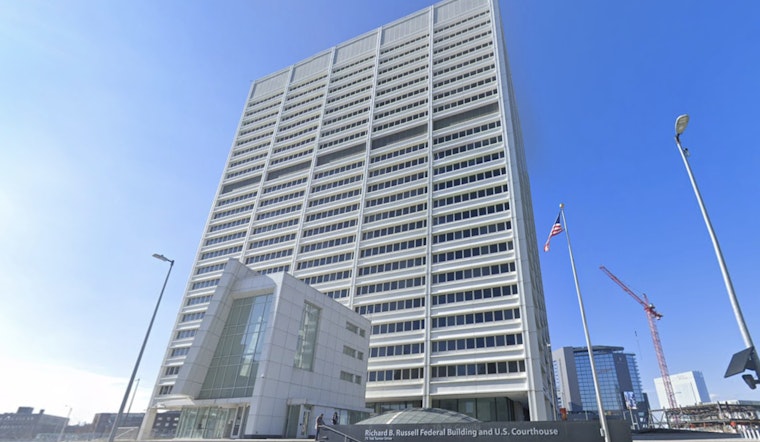
Toyota quietly settled a high-stakes wrongful-death lawsuit just hours before a federal jury was set to be picked, resolving claims that a 2017 Tacoma's smart key system played a deadly role in an Atlanta man's death. The agreement, disclosed to the judge on Wednesday, is confidential. The trial had been scheduled to start this week in federal court in Atlanta.
The Night Lee Griffin Died
According to federal filings, Lee Griffin returned home from mowing the lawn on July 4, 2022, pulled his Tacoma into the attached garage, closed the garage door and walked into the house while the truck's engine kept running. Court documents note that Griffin suffered from tinnitus and partial hearing loss and was likely using noise-isolating earbuds at the time, so he did not hear the Tacoma's exterior three-beep alert.
He was later found unresponsive, and emergency responders recorded extremely high carbon-monoxide levels. An autopsy listed the cause of death as accidental carbon-monoxide poisoning from a running automobile, according to U.S. District Court records.
Settlement Landed Just Before Jury Selection
On the brink of trial, the parties notified U.S. District Judge Thomas Thrash Jr. by email that they had reached a settlement, prompting the judge to close the case, The Atlanta Journal-Constitution reported. The terms are not public.
Toyota declined to comment to reporters. In court filings, the automaker denied any wrongdoing and argued that the fatal outcome stemmed from human error rather than a defect in the truck.
What The Judge Had Already Decided
Before the settlement short-circuited the trial, the court had already signaled that key questions would go to a jury. In a June 2025 order, the judge largely denied Toyota's motion to dismiss and ruled that jurors should decide whether the 2017 Tacoma was defectively designed because it did not include an automatic engine shut-off feature.
The order cited documentary evidence, including a spreadsheet produced in discovery that lists more than 100 incidents in which vehicles continued to run after a key fob was removed. The court said that information could be relevant to whether Toyota had notice of a potential problem and whether the alleged defect caused Griffin's death. Those findings left design and warning claims on track for trial, according to U.S. District Court records.
Toyota's Position And Safety Changes
In pretrial briefs and public statements, Toyota said it chose not to add automatic engine shut-off technology before 2020 because its engineers worried about safety tradeoffs, such as a vehicle powering down while a child, pet or elderly person was still inside. The company stated that it began rolling out automatic shut-off features in its vehicles starting in 2020, according to The Atlanta Journal-Constitution.
Toyota also told the court that the 2017 Tacoma complied with all applicable federal standards and maintained that Griffin's death was the result of human error. Lawyers for Griffin's widow countered that Toyota's internal records showed repeated reports of similar incidents involving keyless ignition systems and said they pursued the case to help prevent future carbon-monoxide poisonings.
What Comes Next
With the confidential settlement, the public will not see a jury sort through the competing technical narratives or decide what, if any, damages should be awarded. Even so, the case shined a spotlight on how automakers design and warn about keyless ignition systems that can leave engines running after a driver walks away.
The broader legal and safety debate over smart key technology is expected to continue to play out in other lawsuits and in regulatory discussions, long after this Atlanta case has been quietly closed.




