

























































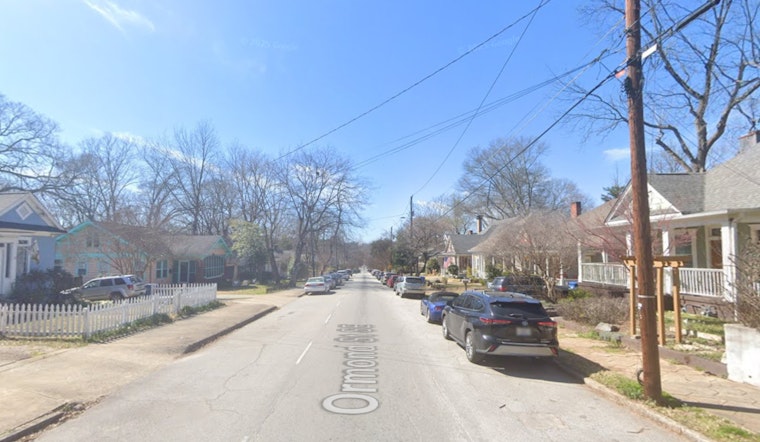
Atlanta crews are digging out a city block in Summerhill and Peoplestown for a colossal underground stormwater vault, a concrete tank designed to hold about 20 million gallons of stormwater and sewage. The five-acre site between Ormond Street and Atlanta Avenue is being carved open so the city can pour the vault, then cover it with a new park that is supposed to ease strain on the aging sewer system and shield repeatedly flooded low-lying streets during heavy rains.
What the project will look like
City engineers describe the facility as a single, oversized detention vault that will catch stormwater and combined sewer flows during intense downpours, then slowly release that water back into the system once downstream pipes and treatment plants can handle it. On top, the city plans to build a five-acre park, according to The Atlanta Journal-Constitution. The project website says crews are shoring the excavation and digging roughly 20 to 30 feet below street level to make room for the vault and its support infrastructure.
Contractors and city officials say the subterranean tank will be enormous, roughly equal to about 30 Olympic-size swimming pools, and will sit beneath playgrounds, walking paths and lawns so most people will experience it as a neighborhood park rather than a visible utility structure, CBS News Atlanta reported.
Voices on the project
Project staff frame the vault as a straightforward resilience upgrade. In an interview, contractor project manager Sharon Matthews summed up the system like this: “It spreads the flow, allows it to be held, and then it releases itself back into the system as capacity becomes available,” according to CBS News Atlanta. Deputy Commissioner Quinton Fletcher has called the build “a major investment in the city's long-term storm planning” and said, “This project represents resiliency.”
How the vault fits city engineering goals
The Custer Avenue Multi-Benefit Capacity Relief Project is one of several storage and green-infrastructure efforts the Department of Watershed Management is using to better control peak wet-weather flows, according to the city’s project materials. Planners say the vault will hold combined stormwater and sewage during surges and meter it back into the sewer system once there is enough treatment and conveyance capacity. The project is tied to Atlanta’s long-running Clean Water Atlanta program and the federal consent decree that requires the city to cut down on unpermitted combined sewer overflows, per the U.S. Environmental Protection Agency.
Neighbors raise alarms
Longtime residents and neighborhood advocates have pushed back on the plan, criticizing both how the land was assembled and the basic idea of storing sewage beneath a public park. Local reporting and community interviews show some critics have labeled the project the “Poop Park” and are worried about odor, construction disruption and the chance that a new greenspace will accelerate gentrification in a neighborhood that is already changing, as reported by Capital B Atlanta. Activists also point out that the city used eminent domain for some properties and say communication with residents has been inconsistent.
Cost, timeline and where things stand
Price tags for the multi-benefit project differ slightly in recent coverage. Capital B Atlanta and other outlets have cited a cost of about $156.5 million, while CBS News Atlanta has described it as a $160 million job. City council records and project filings list construction milestones and show planners aiming for some late-2026 work windows, even as other reports put completion closer to 2027, a relatively small gap between public documents and recent news accounts. The Department of Watershed Management is maintaining a public construction calendar and traffic advisories for nearby road closures tied to the build.
Why the city is building it now
Atlanta’s combined sewer system dates back decades and routinely struggles in intense storms, a problem federal regulators have ordered the city to confront. The EPA’s Clean Water Atlanta overview lays out how the consent decree and related programs steered the city toward a mix of detention, treatment and green infrastructure solutions, with the Custer Avenue vault ranked among the largest single-site projects focused on capacity relief. City leaders say efforts like this are meant to cut down on dangerous backups and raw sewage overflows into neighborhoods and local waterways.
For nearby residents, the finished park is supposed to function as an everyday gathering spot. For engineers, it is a buried safety net intended to buy time when storms hit. And for some neighbors, it is also a very concrete sign that the community is in flux. Excavation and concrete work are underway, and officials say they plan to keep updating the community as construction moves forward.





