

























































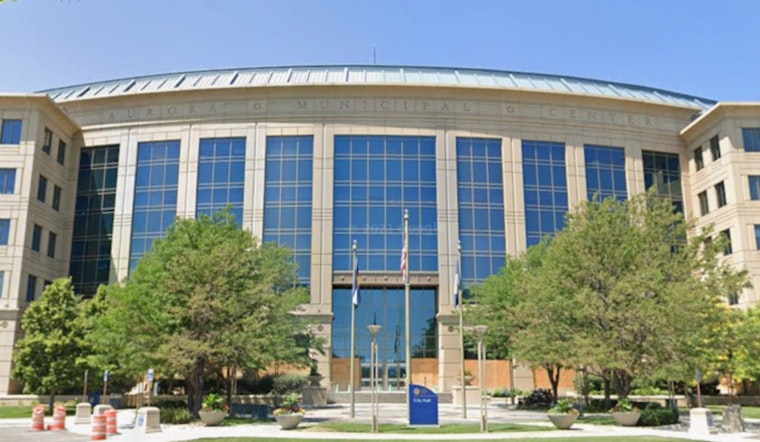
Aurora City Council is trying to put the genie back in the bottle. On Monday, members moved to roll back a controversial set of rules that would have overhauled the city’s Housing Authority board, advancing a repeal measure to the full council for a final decision. The about-face comes on the heels of a legal victory for the Housing Authority that undercut the council’s earlier changes to appointments and term lengths. Developers and tenants had warned that the fight was not just political theater but a real threat to financing and timelines for several planned affordable-housing projects.
During a May 18 study session, council members voted to send the repeal to the council floor, with the proposal arguing that the court losses rendered the existing Housing Authority rules “moot,” as reported by Sentinel Colorado. The move caps a months-long tug-of-war between the city and the Housing Authority over who controls commissioner appointments and how long those commissioners get to stay in their seats.
The agency sued and won, and the Colorado Court of Appeals later affirmed an April 9 judgment that found the ordinance unenforceable because it retroactively shortened commissioners’ terms and conflicted with the state Housing Authorities Law, according to the opinion on Justia. The court concluded the ordinance “is invalid because it violates the constitutional ban on retroactive legislation,” effectively snapping the appointment process back to the prior rules for sitting commissioners.
What the Repeal Would Undo
The earlier ordinance would have shifted appointment power from the mayor to a majority of the City Council, layered on new eligibility requirements for board members, and cut five-year terms down to three years with a two-term limit, according to reporting by Colorado Politics. Critics warned that the package could be used to push out current commissioners before their terms expired and inject extra political oversight into an agency that oversees federal vouchers and complicated development financing.
The stakes were not abstract. Public bond documents show the Residences at Willow Park, an 86-unit redevelopment at 14001–14081 E. Colorado Drive, was the subject of a CHFA TEFRA notice and related financing filings that could involve up to $25 million in bonds. The Colorado Housing and Finance Authority issued a public TEFRA notice for the project, and local coverage also notes that the Authority secured Proposition 123 land-banking funds to buy land in Gateway Park. CHFA and Mile High CRE reported those details.
Tensions escalated after former executive director Craig Maraschky warned council members in 2024 that a draft ordinance had “terminated” state involvement in several developments. Maraschky resigned later that year, and the Authority announced that Steve Blackstock would step in as executive director, according to an AHA press release. The Aurora Housing Authority’s own materials indicate it supports nearly 2,000 households through HUD programs and owns and manages hundreds of affordable rental units, a portfolio that helps explain why lenders and development partners care deeply about stability on the board. Those leadership shifts, combined with the court ruling, helped push council members toward backing a repeal.
Legal Implications
The appellate decision makes clear that state law and the state constitution limit how far a home-rule city can go in reshuffling an independent housing authority’s board after the fact. The court reasoned that shortening or ending commissioners’ terms has to follow the removal-for-cause procedures in statute, as laid out in the ruling on Justia. That precedent is likely to give other cities pause if they are considering similar governance shake-ups, unless their changes are narrowly drawn and apply only going forward.
What Comes Next
The repeal now heads to a regular council meeting for a final vote. If it passes, the old appointment rules would return, potentially easing some of the underwriting jitters that lenders had flagged. Residents, developers, and housing advocates will be watching to see whether the rollback clears the way for delayed projects and how the council navigates the line between political oversight and the Housing Authority’s operational independence.





