

























































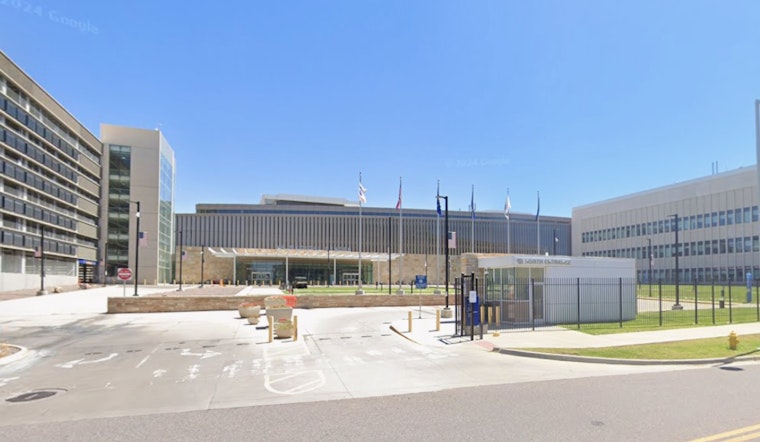
A federal watchdog says mammogram images for veterans at the Rocky Mountain Regional VA Medical Center in Aurora were delayed or never made available to VA providers after the facility shut down its in-house breast imaging program. The backlog started when the medical center’s only mammographer left in February 2024, which pushed all breast imaging to outside clinics. Inspectors warned that the gaps in getting images and reports into the system left some abnormal findings at risk of delayed follow-up.
What the audit found
The VA Office of Inspector General's healthcare inspection reported that the facility lost American College of Radiology accreditation and closed its in-house mammography program after the mammographer departed. The audit found delays both in receiving images and reports from community providers and in uploading them into VA medical records. As of January 2026, the OIG said, the facility still had not regained accreditation or restarted in-house breast imaging.
According to the VA Office of Inspector General, inspectors found breakdowns in how community care images and reports were requested, tracked, and entered into veterans’ records, along with weak processes for spotting and notifying patients who were due for screening. The inspection ended with nine recommendations to fix image sharing, tracking, and credentialing issues that helped create the backlog in the first place.
Local reporting and patient impact
Local coverage zeroed in on the audit’s findings and highlighted that the mammography unit shut down in 2024, which has meant veterans are being sent to outside clinics for screening. As reported by 9News, inspectors found that some community images arrived without reports or were uploaded late, making it harder to quickly confirm diagnoses or plan surgery for patients with suspicious findings. Local accounts closely tracked the audit’s timeline and the operational gaps it spelled out.
Why it matters
Breast cancer care lives or dies on timing. Screening on schedule and fast follow-up on anything suspicious are key to catching cancer early, when treatment is less aggressive, and survival odds are better. Public health authorities such as the CDC stress that mammograms are the most reliable tool for early detection and warn that delays in imaging or communicating results can undercut those benefits. The OIG framed the administrative and technical failures in Aurora as a direct threat to that early-detection pipeline for veterans who depend on VA care.
VA response and next steps
The audit notes that the Under Secretary for Health, the VA Rocky Mountain network, and facility leaders agreed with the findings and submitted action plans that include upgrading image-sharing technology, enforcing medical-record request procedures, and tightening credentialing practices. The OIG report states that one recommendation, focused on reviewing VA image-sharing limitations, was closed on May 21, while the remaining corrective steps have target completion dates stretching into late 2026. Facility leaders told inspectors they intend to pursue re-accreditation and clear the credentialing paperwork that has slowed the reopening of the mammography service.
What veterans should know
Veterans who had mammograms through the Aurora VA or who were referred to community providers and are worried about delayed or missing results are urged to contact their VA primary care team or the facility’s patient advocate to confirm that outside images and reports were received and uploaded. Facility leaders say they are working to restore services and tighten up how community imaging is requested and tracked. Veterans who still have concerns can also ask their provider to review the electronic health record for any outstanding follow-up steps.





