

























































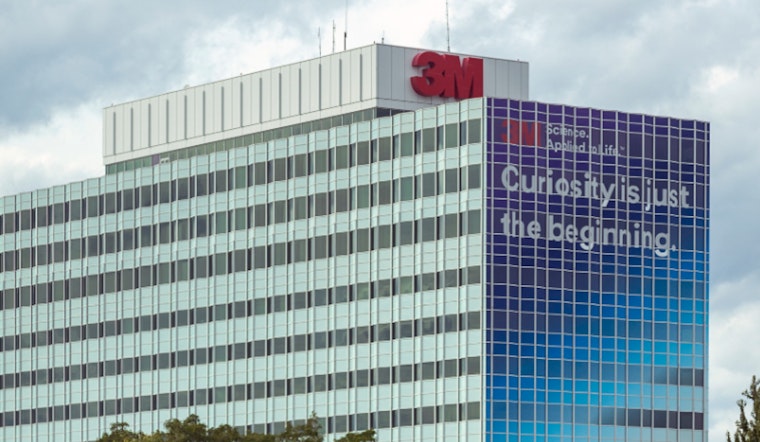
Australia has hauled U.S. conglomerate 3M into court, launching what officials are calling the Commonwealth’s largest-ever legal claim and seeking more than A$2 billion (roughly US$1.4 billion) over PFAS contamination at 28 Defence bases. Announced at a Canberra press conference, the lawsuit accuses 3M of failing to come clean about internal testing and of misleading the government on the safety and disposal of aqueous film-forming foam, or AFFF. The move cranks up a global legal fight over PFAS and plants one of America’s most recognizable manufacturers squarely in the dock of an Australian federal court.
Government Files Claim In Federal Court
According to a joint media release, the Commonwealth has commenced proceedings in the Federal Court of Australia against 3M Company and 3M Australia Pty Ltd. The government alleges 3M “withheld a range of information and misrepresented the effects” of its AFFF firefighting foam, and that the company gave assurances about disposal practices and environmental safety that did not match what it knew internally. Canberra is asking the court to let it claw back the hefty past and future costs taxpayers have already shouldered to investigate, manage and clean up PFAS contamination on Defence land.
How Big The Cleanup Has Been
Defence officials say the department has already poured more than A$1.3 billion into investigations, remediation and support for affected communities, while removing about 200,000 metric tonnes of contaminated soil and treating more than 13 billion litres of water, according to ABC News. That effort has included settlements with local communities and long-running class actions tied to contamination near bases such as RAAF Base Richmond, where residents were warned in 2018 not to eat locally produced fish and eggs. The sheer scale of the cleanup sits at the heart of the Commonwealth’s argument that taxpayers should not be left footing the bill for legacy pollution.
3M Pushes Back
3M says it is well aware of the Commonwealth’s lawsuit and intends to “defend ourselves against these claims through the legal process,” adding that it “has never manufactured PFAS in Australia and ceased sales of the products at issue in Australia around two decades ago,” in a statement to SBS News. The company points to changes in product formulations and previous cooperation with authorities on PFAS issues as it gears up for a courtroom fight over what it knew, when it knew it and who should pay.
Why PFAS Matter
Per- and polyfluoroalkyl substances, or PFAS, are a large family of man-made chemicals that resist heat, stains, grease and water, which helped make them ubiquitous in firefighting foams and a long list of consumer goods. Some PFAS can accumulate in people and the environment and have been linked to effects on liver function, immune response and certain cancers, according to the Agency for Toxic Substances and Disease Registry. Because these chemicals barely break down, contamination from foam used decades ago can linger in groundwater, soil and food chains long after the original incidents have faded from memory.
Where This Fits Into Global PFAS Litigation
The Australian claim drops into a crowded field of lawsuits targeting PFAS and AFFF manufacturers worldwide. In the United States, 3M agreed in 2023 to a multibillion-dollar settlement with public water systems worth at least US$10.3 billion to resolve contamination claims, highlighting just how high the financial stakes have become, according to PBS NewsHour. Australian officials say they have watched those overseas cases closely and that lessons from foreign litigation helped inform the decision to take 3M to court.
What’s Next
Attorney-General Michelle Rowland said the government launched the case to pursue “appropriate accountability through the Federal Court” and to seek recovery of the substantial costs the Commonwealth has already incurred and expects to keep racking up, per the media release. The proceedings are expected to run through lengthy pretrial discovery and legal argument in the Federal Court. Officials have indicated that any money recovered would be directed toward further remediation and support for communities living with PFAS contamination as the case winds its way through the system.



