

























































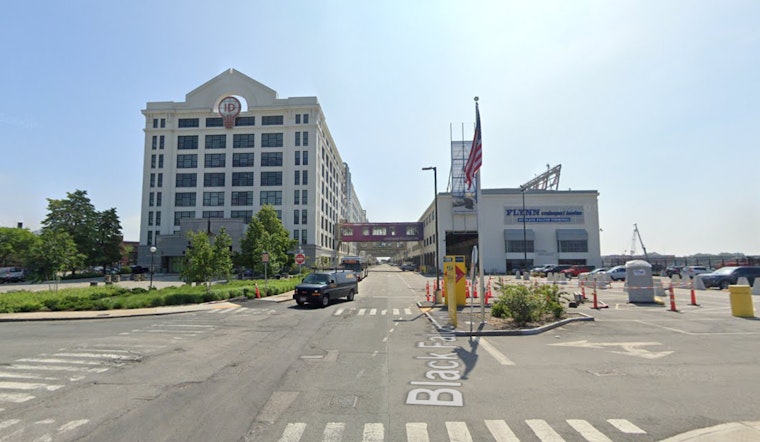
Autodesk is staying put on the Boston waterfront, quietly locking in a fresh lease at the Seaport’s Innovation and Design Building and keeping its hands-on Technology Center and BUILD prototyping space right where the action is. In a neighborhood increasingly carved up for labs and design firms, the company is hanging on to its maker-heavy footprint.
Lease details
The company has renewed its 73,420-square-foot space at 21–25 Drydock Ave. in the Seaport Innovation District, according to CoStar. The office and workshop sit inside the roughly 1.4 million-square-foot Innovation and Design Building, which property managers say now blends lab-ready floors with creative workspaces under one very large roof.
Owners say the market is busy
Landlords Related Beal and Jamestown have not exactly been sitting on their hands. Over the past year, they logged more than 225,000 square feet of leasing activity at the IDB, with Autodesk’s renewal, reported at about 72,000 square feet by some outlets, serving as a key piece of that momentum, according to ConnectCRE. “The lease agreements and renewals at the IDB reflect the strength of the building’s ecosystem and the continued partnership between Related Beal and Jamestown,” Erin Orpik, vice president of commercial assets at Related Beal, told the outlet.
Why Autodesk keeps a physical hub
The Boston Technology Center and BUILD space operate more like an R&D playground than a traditional office. Autodesk describes the site as a home for large-format fabrication, robotics and residency programs, according to Autodesk. That kind of hands-on setup is built for collaboration with local universities, contractors and startups in ways a typical desk-filled floor simply cannot match, which helps explain why the company chose to keep substantial space in the Seaport.
Not a return to old office norms
This is not Autodesk pretending it is 2019 again. The company’s recent regulatory filings show it has subleased space in other locations and booked sublease income along with lease-related impairments as it reshapes its broader footprint, according to the SEC. In that context, the Boston deal looks more like a targeted, program-level bet than a swing back to sprawling, old-school office occupancy.
What it means for the Seaport
For the Seaport, the renewal is a solid vote of confidence at a time when the area has been leaning harder into lab and research space while trying to keep its creative and maker edge. The Innovation and Design Building’s repositioning to serve lab, design and fabrication tenants under owners including Jamestown and Related Beal has attracted a mix of users and helped cement the neighborhood’s hybrid identity, according to Jamestown.




