

























































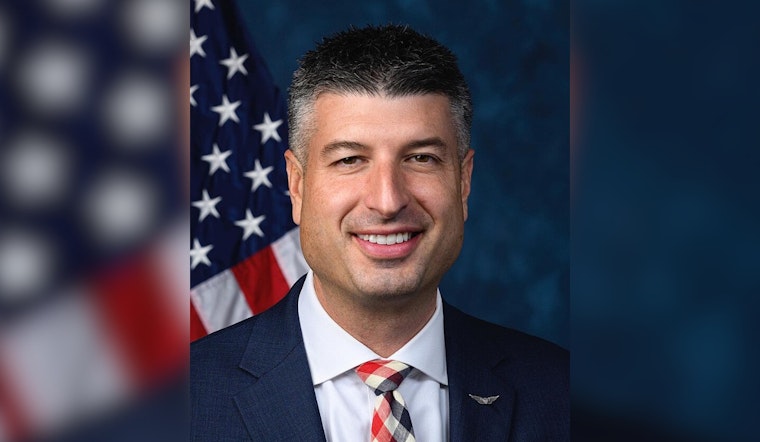
Last Thursday, the U.S. House signed off on a bipartisan bill led by Michigan Rep. Tom Barrett that could deliver the first significant, targeted increases in decades for the most severely disabled veterans and surviving Gold Star families. Backers say the package would lock in a permanent supplemental payment for veterans who need daily, in‑home care and boost survivor compensation so families are not left scrambling after a service death. The vote capped a months‑long push by Gold Star spouses and veterans groups that brought survivors to Capitol Hill to press for changes.
What the bill does
H.R. 6047, the Sharri Briley and Eric Edmundson Veterans Benefits Expansion Act, would add a supplemental monthly allowance of $833.33 for veterans who qualify for an aid‑and‑attendance payment, roughly $10,000 a year. It would also require an extra increase to Dependency and Indemnity Compensation that is tied to Social Security cost‑of‑living adjustments, plus a one‑percentage‑point boost on the first adjustment. The measure changes VA home‑loan fee waivers, extends certain pension limits and expands housing‑loan eligibility for Guard and Reserve members, along with other technical fixes. These provisions are spelled out in the official bill text on GovInfo.
Advocacy that pushed the change
Surviving spouses and advocacy groups organized a Capitol Hill fly‑in in April to argue that military survivor benefits have fallen behind other federal programs, and they rallied behind H.R. 6047 as part of a broader push to close that gap. "We’re going to advocate for improving Dependency and Indemnity Compensation, which affects every one of us," Tamra Sipes, national president of Gold Star Spouses of America, told Military.com ahead of the meetings. The organization also presented awards to congressional champions, including Barrett, for sponsoring the legislation, according to Military.com.
Michigan reaction
CBS News Detroit aired a local segment that focused on Michigan Gold Star spouses and their push for changes to survivor benefits, including interviews with families who said the extra payments could help cover long‑term care costs. The station also highlighted Barrett’s role in steering the bill through the House Veterans Affairs process and put a local spotlight on a national policy fight, as reported by CBS News Detroit.
What’s next
The House approved the bill in a 235‑179 vote last Thursday, sending it to the Senate for consideration. If the Senate passes a final version and the president signs it, most provisions would take effect Dec. 1. Veterans groups that supported the measure praised the House action but warned that funding questions and competing priorities could slow final passage. The roll call and next procedural steps are detailed on Congress.gov, and the bill text with effective dates is also posted on GovInfo.





