

























































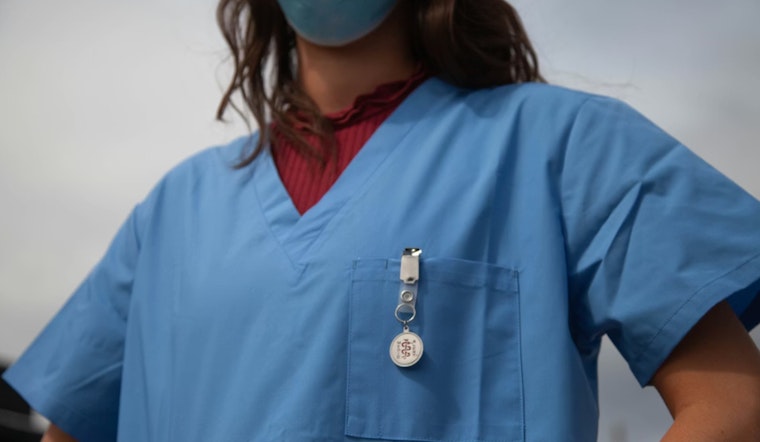
Massachusetts nurses are turning up the volume on warnings about hospital conditions, saying the system is sliding in the wrong direction on patient care, safety, and high-tech tools that too many staffers barely know how to use. A new statewide survey of roughly 480 active registered nurses, released during National Nurses Week, points to steep drops in care quality, rising workplace violence, and a rapid expansion of artificial intelligence that many respondents say they are not prepared to handle. Majorities cited understaffing and safety threats they say are harming patients and driving colleagues out of the field. The findings were released on May 7, 2026, as nurses rallied on Beacon Hill, pressing lawmakers for enforceable staffing limits and stronger protections for health care workers.
Survey findings: care quality and staffing
About 71 percent of surveyed nurses said the quality of care in Massachusetts hospitals has worsened over the last two years, and 60 percent flagged understaffing as the biggest obstacle to providing safe care. More than half reported knowing of medical errors they linked to excessive patient loads, and one in four said understaffing has contributed to patient deaths. "On behalf of patients and health care workers across Massachusetts, nurses are sounding the alarm about our deteriorating healthcare system," MNA president Katie Murphy said in the group's release, according to the Massachusetts Nurses Association.
AI adoption rises but training lags
The survey also captured just how quickly artificial intelligence is creeping into clinical settings. This year, 38 percent of nurses said AI is being used in their facilities, up from about 18 percent last year, with documentation and note-taking emerging as the most common uses. Yet eight in 10 respondents said they have not received training on AI, and nearly half reported feeling uncomfortable using the tools at all. On top of that, 81 percent said they worry about being held legally responsible if AI-generated advice harms a patient, The Boston Globe reported.
Workplace violence and safety
Violence on the job remains a grim part of the story. Nearly 70 percent of nurses said they had experienced at least one episode of violence or abuse in the last two years, and one in four said they do not feel safe at work. Newer nurses and those at community hospitals reported carrying an even heavier burden, and roughly 16 percent of respondents said they plan to leave direct patient care within the next two years. The MNA folded those numbers into a "Safety First" Day of Action on Beacon Hill, according to the MNA's release.
Beacon Hill push: safe limits and penalties
In terms of solutions, nurses who responded to the survey left little doubt about where they stand. Some 93 percent said they support legislation backed by the MNA that would set enforceable patient-to-nurse limits, and 95 percent voiced support for workplace violence prevention measures. A workplace violence bill cleared the Massachusetts House last year and is now before Senate leaders, while a separate proposal would instruct the Department of Public Health to set safe patient limits by hospital unit. According to The Boston Globe, nurses took those demands directly to lawmakers in a Beacon Hill push this week.
National view: nurse-led guardrails for AI
The Massachusetts concerns line up with a broader national debate over how far and how fast AI should be allowed to go in health care. The American Nurses Association has called for nurse-led guardrails on clinical AI, including requirements for auditability, testing for bias, and stronger oversight so new tools do not undercut patient safety. Those recommendations echo the liability fears and training gaps highlighted in the MNA memo. The American Nurses Association detailed its position in a statement available through the American Nurses Association.
For patients and for the clinicians at the bedside, the survey reads like a blunt to-do list: enforceable staffing rules, real protections against workplace violence, and practical AI training and oversight. Whether Beacon Hill and hospital executives move quickly enough to change what nurses say they are seeing on the floors will be a major test for the state's health care system in the months ahead.




