

























































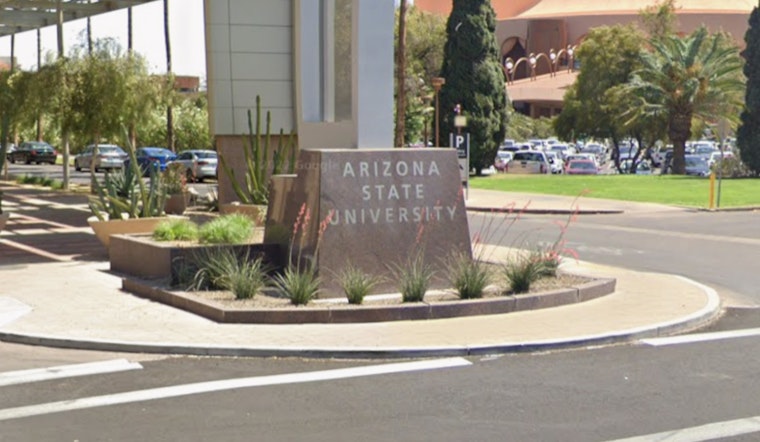
For generations of Arizona State University students, Irish Hall, Hayden Hall and Best Hall were the slightly creaky but beloved dorms that anchored the south edge of campus. This spring, the midcentury halls on the Tempe campus were flattened, clearing out a long familiar block of campus housing in one noisy sweep of demolition crews.
In their place, ASU is planning a multi building project dubbed the Center Complex, which university officials say will reshape student life around the Mill Avenue and Apache Boulevard corridor. For alumni and former residents watching from the sidewalk or on social media, those piles of concrete and stucco looked a lot like decades of memories going straight into the dumpster.
Project scope and funding
According to the capital improvement documents filed with the Arizona Board of Regents, the Center Complex will replace the nine existing buildings that formed the three dorm compounds and carries a price tag of roughly $400 million. The plan says the development is expected to deliver about 2,000 to 2,500 beds.
ASU is slated to contribute $30 million for non residential facilities, while a private partner will cover the rest of the bill. The documents outline a phased approach to construction on the 4.7 acre site at the northeast corner of Apache Boulevard and Forest Avenue, the same corner that generations of students once associated with move in day and late night walks back from Mill.
Why ASU moved to demolish
Tim Smith, ASU’s vice president for facilities management, said a mix of aging infrastructure and outdated layouts finally caught up with the old halls. He told KJZZ that deferred maintenance was a concern and that “the configuration of the community restrooms was really not an attractive option for current students and prospective students.”
KJZZ reported that by late April, crews were already on site pulling out concrete, steel and brick as the familiar facades disappeared section by section. What had been front doors and shared lounges one week were rubble piles and rebar the next.
Timeline and what students will see
ASU plans to develop the Center Complex through a public private partnership, with the private side footing most of the construction costs and recouping its investment over time. The university expects the first phase, roughly 800 beds, to be ready for the fall 2028 semester, with construction set to begin later this year, according to reporting by ASU News.
The complex is also slated to bring more than just new places to sleep. ASU News reports that plans call for retail and dining options and a campus bookstore, all intended to expand capacity and modernize student living near Mill Avenue. For current and future Sun Devils, the idea is that a night out or a run for supplies will be measured in steps, not miles.
Campus history and memories
The emotional blow for many Tempe alumni is not hard to understand. Irish Hall opened in 1940, Hayden in 1951 and Best in 1956, and generations of students cycled through their hallways. Former residents told reporters that, plumbing issues aside, the buildings still sheltered quiet courtyards and tight knit floors, according to The State Press.
The response has been a familiar split between nostalgia and pragmatism, alumni mourning the loss of character while campus planners emphasize safety, accessibility and modern amenities. That tension tracks with a broader debate on campuses across the country over how far to go in preserving history when students are increasingly expecting air conditioning that works, elevators that do not stall and bathrooms that are not shared by an entire floor.
ASU officials say the Center Complex will include academic and administrative space, a campus bookstore and a marketplace, alongside the new housing. The private partner, according to the financial framework, will recoup its investment through room and board fees over several decades.
The Arizona Board of Regents documents note again that the site occupies the northeast corner of Apache Boulevard and Forest Avenue and lay out construction and occupancy targets. More detailed designs and permit filings are expected to surface as the project advances.
For now, what students and passersby see is a scraped clean block where three familiar dorms once stood, a dusty reminder that on a fast growing campus, change often arrives before everyone is ready to say goodbye.





