

























































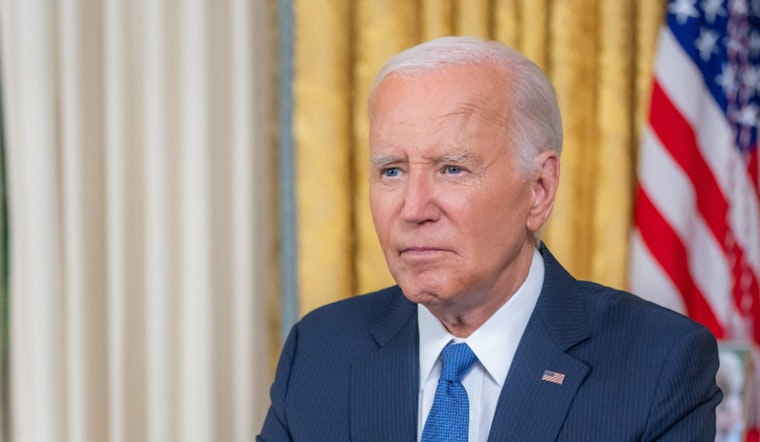
President Joe Biden has taken the U.S. Department of Justice to court in Washington, asking a federal judge to stop the release of audio recordings and written transcripts from private interviews he gave his ghostwriter in 2016 and 2017. In a new lawsuit, Biden argues that making the material public would “constitute an unwarranted invasion of President Biden’s privacy” and is asking the court to permanently bar the Justice Department from handing the records to outside groups or members of Congress. The case sets up a fast-moving fight over open-records law and how far congressional oversight can reach into a former president’s personal conversations.
What’s in the files
At issue are recordings and transcripts of Biden’s conversations with ghostwriter Mark Zwonitzer during work on his memoirs, a trove that runs to roughly 70 hours of audio along with related notes, according to CBS News. Special Counsel Robert Hur obtained the material as part of his investigation into Biden’s handling of classified documents and quoted from portions of it in his report. The lawsuit says the interviews were recorded at Biden’s home in 2016 and 2017, then folded into the Justice Department’s investigative record.
DOJ plans to hand files to Congress and a conservative group
The Justice Department has told involved parties that it plans to turn over redacted transcripts and audio to the House Judiciary Committee and to the Heritage Foundation, with a target production date of June 15, according to Axios. That move would follow a Freedom of Information Act lawsuit from the Heritage Foundation, which has been pushing to obtain the files since they were referenced in Hur’s probe. Biden’s complaint urges the court to treat the committee’s request as pretextual and to block any transfer of the records to lawmakers or FOIA plaintiffs.
Hur’s report and what’s already public
Hur’s yearlong probe ended in a detailed report that questioned Biden’s memory and mental sharpness but recommended no criminal charges, and transcripts of interviews released in 2024 show Biden at times unsure about dates and specific details, according to The Associated Press. Portions of the 345-page report drew on interview material Hur gathered from both Biden and the ghostwriter. Those disclosures have been a political flashpoint ever since, giving both parties ammunition in the ongoing fight over Biden’s handling of documents and his fitness for office.
Privacy claim at the heart of the suit
Biden’s legal team, led by attorney Amy Jeffress, contends the Justice Department backed away from an earlier view that the records were exempt from disclosure and that releasing them, even in redacted form, would violate the former president’s privacy, according to MyFox28 Columbus. The complaint stresses that “Every American, including a sitting or former Vice President, has a right to privacy in the personal conversations he has within his own home.” Biden is asking the court for a permanent injunction that would stop the department from producing the recordings and transcripts to Congress or to FOIA requesters.
Political fallout
Republicans have seized on the dispute as evidence that Biden benefited from friendly treatment by his own Justice Department, while Democrats have pointed to Biden’s cooperation with investigators and Hur’s decision not to charge him, according to The Washington Post. The clash echoes familiar battles over executive privilege, congressional subpoenas and whether selective releases of sensitive material will be weaponized in partisan warfare. However the court draws the line between privacy, FOIA obligations and oversight will determine what the public sees, and when, as election season heats up.
What happens next
Biden is asking a federal judge in Washington to block the planned June 15 disclosure while the lawsuit plays out. A judge recently allowed him to intervene in the Heritage Foundation’s FOIA case but narrowed some of his arguments, according to reporting by Reuters. If the court grants an injunction, the files will stay under wraps while the parties battle over the merits. If not, the Justice Department could move ahead and provide redacted audio and transcripts to Congress and the FOIA plaintiffs on schedule. Both sides are expected to push for a fast-track briefing and a quick hearing, with the clock ticking toward that mid-June deadline.





.jpg)