

























































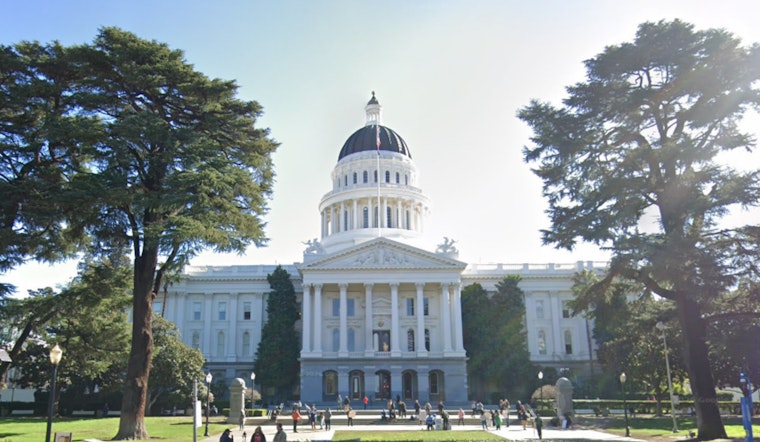
On May 13, members of the California Legislative Black Caucus gathered at the State Capitol to roll out a proposed California Voting Rights Act, a state-level bill aimed at shoring up voting protections for communities of color in the wake of a recent U.S. Supreme Court ruling. Sponsors cast the measure as an urgent response to what they described as a national rollback of federal safeguards and said it is intended to protect ballot access and language assistance ahead of the 2026 campaign season.
The U.S. Supreme Court’s April 29 decision in Louisiana v. Callais reshaped how Section 2 of the Voting Rights Act applies to redistricting, requiring courts to show stronger evidence of intentional racial discrimination before ordering race-conscious remedies, according to the Supreme Court. Voting-rights advocates say that shift makes traditional vote-dilution challenges harder to win and has pushed lawmakers across the country to look for state-level protections.
At a Sacramento press conference on May 13, lawmakers and civil-rights groups described the proposal as the California Voting Rights Act and said it would “strengthen protections for voters and communities of color,” according to Times of San Diego. David Trujillo, executive director of ACLU California Action, warned that the state faces a stark choice, saying, “Now, California has a choice to make: we can cave to these attacks on our democracy, or we can fight to protect our democracy.”
What the bill would do
Backers say the measure would spell out state remedies for racial vote dilution, expand language-access protections and make it easier for communities of color to challenge election rules that deprive them of meaningful representation. Assemblywoman Mia Bonta said the Callais decision “gutted Section 2 of the Voting Rights Act” and left voters more vulnerable to partisan mapmaking, as reported by Times of San Diego.
Legal challenges ahead
Legal scholars warn that any state-level Voting Rights Act will likely face immediate constitutional tests in the federal courts, even as advocates argue that carefully drafted state law and supportive state-court precedents can preserve key protections. National reporting and voting-rights outlets say the Callais ruling has already sped up redistricting battles and pushed Democrats to consider state-based fixes and ballot measures, per Democracy Docket.
Supporters say the California Voting Rights Act is meant to serve as a state backstop now that federal avenues for challenging discriminatory maps appear narrower, and they signaled they will coordinate with civil-rights lawyers as the bill moves forward. If the measure is formally introduced, its legal fate will likely be tested quickly, and the outcome could shape how other states respond ahead of the 2026 midterms.




