

























































Black lawmakers and leaders of California's safety-net hospitals are turning up the pressure on Gov. Gavin Newsom, urging him and top budget negotiators to carve out a $500 million emergency fund in the 2026-27 state budget to stabilize the state's 17 public hospital systems. Without that cash, they warn, emergency rooms, maternity wards and trauma centers could see deep cuts or outright closures as shifting federal and state policies squeeze already thin margins.
According to the California Association of Public Hospitals and Health Systems, those public systems are staring down nearly $3 billion in yearly losses tied to federal changes under H.R. 1, plus roughly another $800 million hit from the governor's May Revision. The 17 systems serve about 3.7 million patients annually and deliver a large share of Medi-Cal and uncompensated care. Without a state lifeline, CAPH and local hospital leaders warn layoffs and service rollbacks are all but guaranteed.
The California Health Care Foundation has laid out just how disruptive H.R. 1 could be for Medicaid. The package of federal changes amounts to nearly $1 trillion in reductions over the next decade and could push millions off coverage. CHCF says those cuts, combined with tighter eligibility rules and payment caps, would shove even more uncompensated care onto safety-net hospitals already running close to the edge.
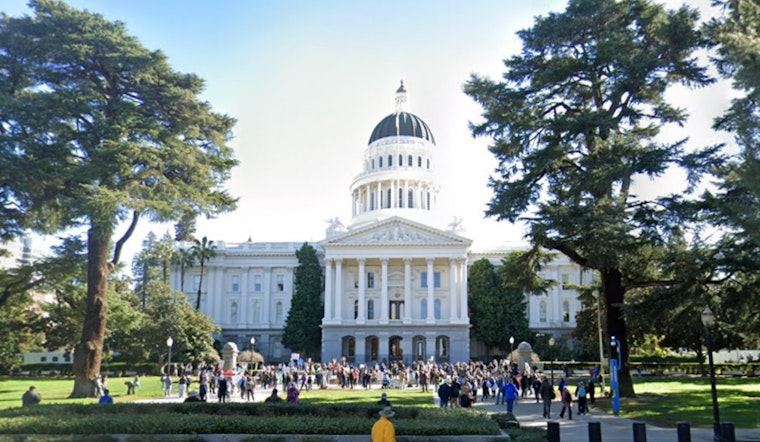
Lawmakers and hospital workers rolled out the $500 million request at a State Capitol news conference on May 19, pressing negotiators to lock the money in before the budget is finalized. San Diego Voice & Viewpoint reported that members of the California Legislative Black Caucus, including Assemblymembers Tina McKinnor and Patrick Ahrens, stood alongside health system executives and union members to make the case.
Supporters pointed to short-term fixes already in motion. Assembly Bill 108 advanced in May to send emergency grants to financially distressed public and nonprofit facilities, and lawmakers say those dollars have literally kept some hospitals' doors open. As advocates have highlighted, MLK Community Hospital in South Los Angeles briefly came close to shutting its maternity unit before it received urgent state support. Those steps have bought time, officials say, but advocates argue a far larger rescue is needed to fend off deeper cuts.
"H.R. 1 cuts that will begin this fall and continue until the new year will not just put a hole in California's public health safety net, it will burn down the net," Assemblymember Tina McKinnor told reporters, adding that "if public hospitals close, Californians will die," according to coverage of the event. San Diego Voice & Viewpoint carried both the lawmakers' warnings and the organizers' budget demand.
Why Lawmakers Say Time Is Running Out
Advocates say the clock is ticking because Gov. Newsom rolled out his May Revision on May 14, and the Legislature is up against a constitutional budget deadline in mid-June. The California Budget & Policy Center notes that the May Revision does not fully backfill the federal cuts, leaving lawmakers to decide how much short-term aid to provide while they wrestle with longer-term fixes. The Legislative Analyst's Office has also warned that the tight calendar shrinks the window for action before the June 15 deadline.
What It Means For Patients
Roughly 14 million Californians rely on Medi-Cal, and public hospitals provide a disproportionate share of care for those patients, state officials point out. Per the California Department of Health Care Services and independent policy analyses, experts warn that rising uninsured rates and lower reimbursement levels typically translate into shuttered units, longer emergency room waits and staffing cuts, particularly in communities that already have limited options.
Lawmakers are pitching the $500 million request as a first-step stabilizer while the bigger federal and state policy fights play out. With budget talks on a tight schedule, advocates and hospital leaders say the next two weeks will effectively decide whether California is willing to shore up the hospitals that serve its most vulnerable residents.



