

























































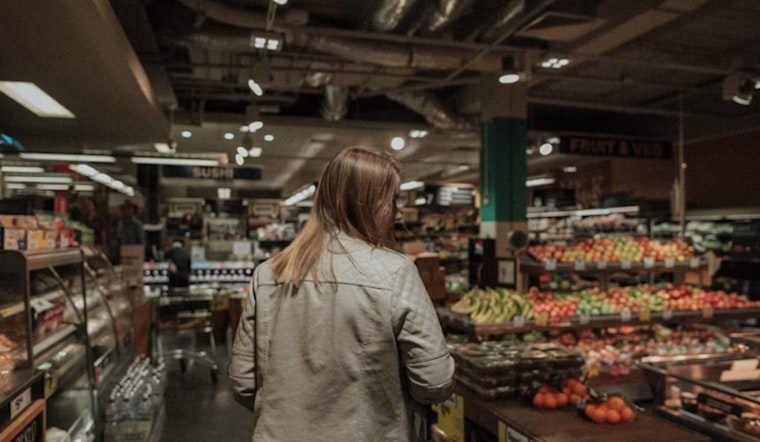
Bloomington grocery runs are turning into budget drills as basic staples jump in price and local shop owners say it is reshaping what ends up in the cart. At Colonial Market, a neighborhood grocer with several metro locations, owner Danny Hernandez says price spikes have been so steep that many customers are swapping fresh items for cheaper packaged goods. Smaller households that once rolled out with fuller carts are now sharply cutting back on fresh food, he says.
As reported by KARE 11, Hernandez said, "Less than three weeks ago, we paid $15.20 for a box of tomatoes; now it is $75," and that, "If a family comes in, instead of $300, now they spend $150." The station reports that as bills climb, shoppers are steering away from fresh meat and produce and toward lower cost processed items.
National numbers point to continued grocery pressure
Those local sticker shocks line up with the national picture. The USDA Economic Research Service recently updated its Food Price Outlook and projects that food prices will rise roughly 2.9 percent in 2026. According to the Bureau of Labor Statistics, "food at home" prices remain elevated year over year, keeping grocery costs well above pre pandemic levels.
Transportation, tariffs and supply shocks
Retailers and analysts point to a mix of rising transportation and fuel costs, tariffs on inputs, and broader global instability that is driving up import and commodity prices. Trade group analysts at FMI say higher truck rates and a tight labor market continue to amplify price pressure across the food supply chain.
Local enforcement added another blow to neighborhood commerce
Business owners add that the enforcement campaign known as Operation Metro Surge hit neighborhood commerce at exactly the wrong time, scaring customers and disrupting staffing. As reported by KARE 11, Rep. Kelly Morrison, who serves on the House Small Business Committee, said oversight visits showed the operation "caused fear to come to work and shop" and suggested parts of federal enforcement may need restructuring. A separate analysis by NPR found that ICE deployments cost cities millions of dollars and strained local businesses.
How stores and shoppers are coping
Hernandez says his stores are trying to absorb some increases, shift purchasing, and trim margins where possible, but there is limited room left to shield customers if tariffs or shipping costs climb further. Hernandez, who opened a Colonial Market location in south Minneapolis last year, has been expanding across the metro, according to MPR News. The upshot for shoppers and local leaders is a painful trade off between price and nutrition as carts fill with cheaper calories and fewer fresh items, a shift that could carry longer term health and economic consequences for families across the Twin Cities.



