

























































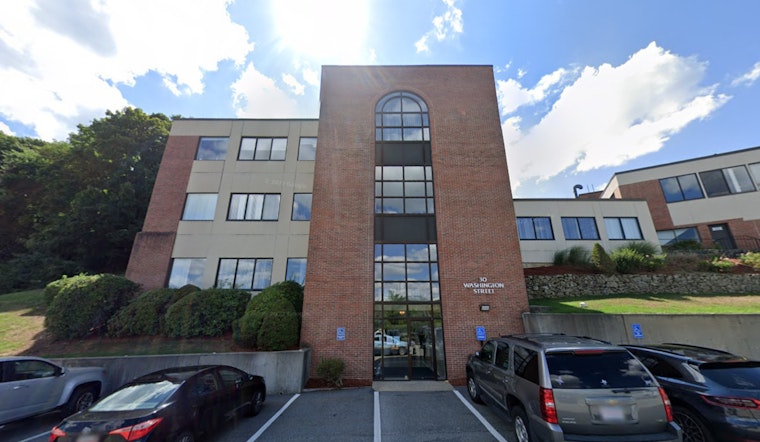
Boylston Properties, a Boston-based developer, has scooped up a five-building office campus in Wellesley’s Lower Falls, paying $46 million for the cluster at 30–44 Washington Street. The company says it plans to keep the properties as offices, while rolling out a round of exterior, interior and landscaping upgrades to knit the buildings together as a more cohesive campus. The portfolio, long held by the Haynes family, spans roughly 11 acres and mixes office space with some perimeter residential holdings.
The sale was first flagged by Boston Business Journal, while Banker & Tradesman reported the $46 million purchase price. Both outlets detail how the deal covers multiple parcels along Washington and River streets in the Lower Falls village, putting it among the more closely watched suburban office trades in Greater Boston this spring.
In its own announcement, Boylston Properties dubbed the campus the “Wellesley Lower Falls Collection.” The company says the site totals more than 11 acres and offers office suites ranging from about 200 to 8,600 square feet, with what it describes as strong current occupancy. The plan is not a dramatic teardown but a polish: coordinated exterior work, refreshed interiors and new landscaping aimed at making the handful of buildings feel like one tenant-friendly campus. Recent Wellesley Select Board minutes and local planning discussions have also highlighted a broader wave of Haynes-owned parcels in Lower Falls making their way to market.
Why Some Buyers Are Back At The Table
Greater Boston’s office market has started to look a little less wobbly, giving investors like Boylston an opening to make selective suburban plays. In its Q1 report, Colliers points to improving availability and net absorption, and notes that higher quality buildings are leading the recovery while sublease space is shrinking. Cushman & Wakefield has described a “barbell” dynamic in the suburbs, where top-tier properties pull ahead of more dated space.
That split makes a light-touch repositioning strategy like Boylston’s look more feasible. By buying an already well-leased campus in a strong suburb and focusing on modest, long-term upgrades instead of a full reinvention, the firm is essentially betting that a stabilized, higher quality product will sit on the winning side of that barbell.
What It Means For Lower Falls
The timing of the purchase drops Boylston right into a live neighborhood conversation about what Lower Falls should look like in the years ahead. The town is in the middle of an area study, and the Planning Board has floated commissioning a more formal visioning effort as large parcels change hands. Coverage in The Swellesley Report has highlighted the Haynes holdings as central to that debate and captured residents’ worries about traffic and increasing density.
For now, Boylston’s public stance is deliberately low-drama: upgrades and tenant retention rather than instant redevelopment. “We’re thrilled to join the Wellesley community through this acquisition,” Boylston founding principal Bill McQuillan said in the company’s announcement. The firm stressed a long-term view and a willingness to work with existing tenants, signaling that near-term plans center on improvements instead of conversion or demolition. That approach may cool some immediate anxieties in the neighborhood, even as the sale keeps longer-term questions about how Lower Falls will evolve firmly on the table.





