

























































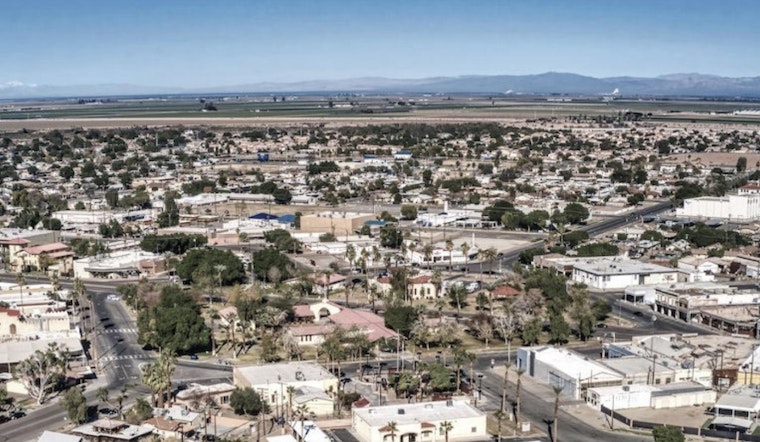
Yesterday turned jumpy in Southern California's Imperial County as a swarm of earthquakes rattled the agricultural city of Brawley and the surrounding valley. The largest quake in the flurry was about magnitude 4.5, followed by dozens of smaller jolts that continued into the night. People across the Salton Sea basin reported feeling the shaking while seismologists dug into the fresh instrument readings.
According to CBS Los Angeles, the sequence kicked off around 4:15 PM local time, about 2.5 miles northwest of Brawley, and continued until roughly 7:20 PM. Later in the burst of activity, a 4.5 magnitude quake struck about one mile northwest of the city.
The United States Geological Survey's event page also lists the largest quake at magnitude 4.5 and shows most of the aftershocks at or below magnitude 2.0. The agency logs several larger shakes in the swarm, including quakes around magnitude 4.0, 3.6 and 3.1, and notes 16 earthquakes recorded above magnitude 2.5. Seismologists say those tallies could shift as networks continue to process and verify the data.
Where it hit
Brawley sits just south of the Salton Sea, roughly 30 miles from the U.S.–Mexico border at Calexico and about 130 miles east of San Diego, putting the swarm squarely in the heart of the Imperial Valley, according to CBS Los Angeles. Reports of shaking came in from nearby towns and the surrounding farm country.
Why Brawley sees swarms
The Brawley Seismic Zone is a tangle of faults and spreading centers that links the Imperial Fault to the San Andreas system and is known for producing clusters of small quakes, the Southern California Earthquake Data Center at Caltech explains. Previous swarms in this zone have included stronger events, but scientists say most of these clusters quiet down after anything from a few hours to a few days of elevated activity.
What to know and what to do
Regional seismic networks and early warning systems will monitor aftershocks, and ShakeAlert can give people advance notice of seconds to tens of seconds, depending on how far they are from the epicenter. The U.S. Geological Survey advises that during shaking, people should Drop, Cover and Hold On, then check for hazards once the motion stops. Anyone dealing with damage or safety concerns is urged to follow Imperial County emergency channels for instructions and to report significant damage to local authorities.
Seismologists and county officials plan to keep monitoring the swarm and will update residents as agencies release confirmed information. For the latest verified details, officials are directing the public to county websites and official social media channels.




