

























































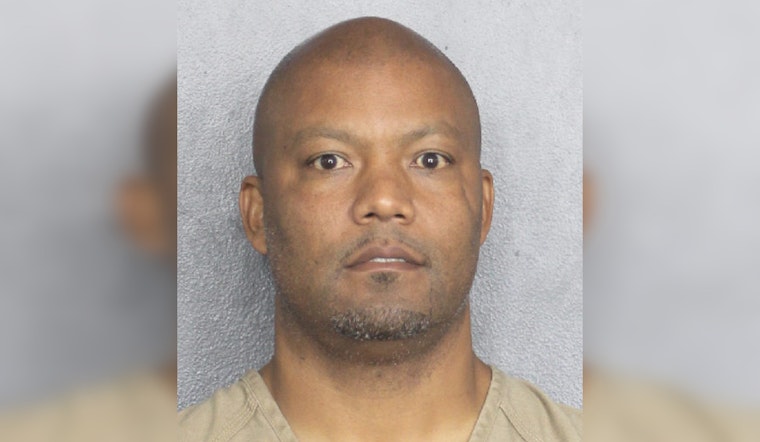
A Broward County man who prosecutors say turned a “family business” into a South Florida cocaine pipeline was convicted Wednesday of leading a trafficking operation that relied on relatives to push drugs across the region. The Florida attorney general’s office announced the verdict after what prosecutors described as a three-week jury trial, saying the case exposed a close-knit distribution network that moved cocaine through homes and rental spaces.
Teddy McCall Jr., 45, was found guilty of racketeering; conspiracy to racketeer; conspiracy to traffic cocaine; trafficking cocaine; possession of cocaine with intent to sell or deliver; and two counts of ownership, lease or rental of a space for trafficking, according to the attorney general’s statement. Prosecutors told jurors the organization used family members to move cocaine throughout South Florida. “This convicted criminal made drug trafficking into a family business,” Attorney General James Uthmeier said in a statement released by his office. McCall is due back in Broward court for sentencing on June 29 and, per the attorney general’s office, faces a reported minimum of 13 years behind bars, as reported by WPLG Local 10.
Prosecutors leaned on racketeering to link the network
Statewide prosecutors have increasingly turned to Florida’s racketeering law to tie together multi-defendant drug enterprises and pursue stiffer penalties and forfeiture remedies. The strategy allows investigators to connect multiple transactions and participants into a single criminal enterprise, bolstering cases against organizers who avoid direct involvement in individual sales. The Attorney General’s statewide prosecution unit has highlighted similar racketeering wins this year; one recent news release from the office outlines a multi-defendant conviction secured under the same approach. MyFloridaLegal detailed one such conviction earlier this spring.
What the charges mean under Florida law
Racketeering is prosecuted under Florida’s RICO statutes and can bring first-degree felony penalties as well as civil remedies such as forfeiture, while trafficking and possession-with-intent counts fall under the state’s controlled-substances laws and are charged based on drug quantities and aggravating factors. Some trafficking offenses can trigger separate sentencing proceedings and mandatory minimums depending on the amount of cocaine involved. For readers who want the statutory language, see Florida’s RICO chapter and the trafficking provision: Florida Legislature and Florida Senate.





